Cat Colds at Boarding: A Complete URI Prevention Guide for Owners and Operators
Published on May 10, 2026
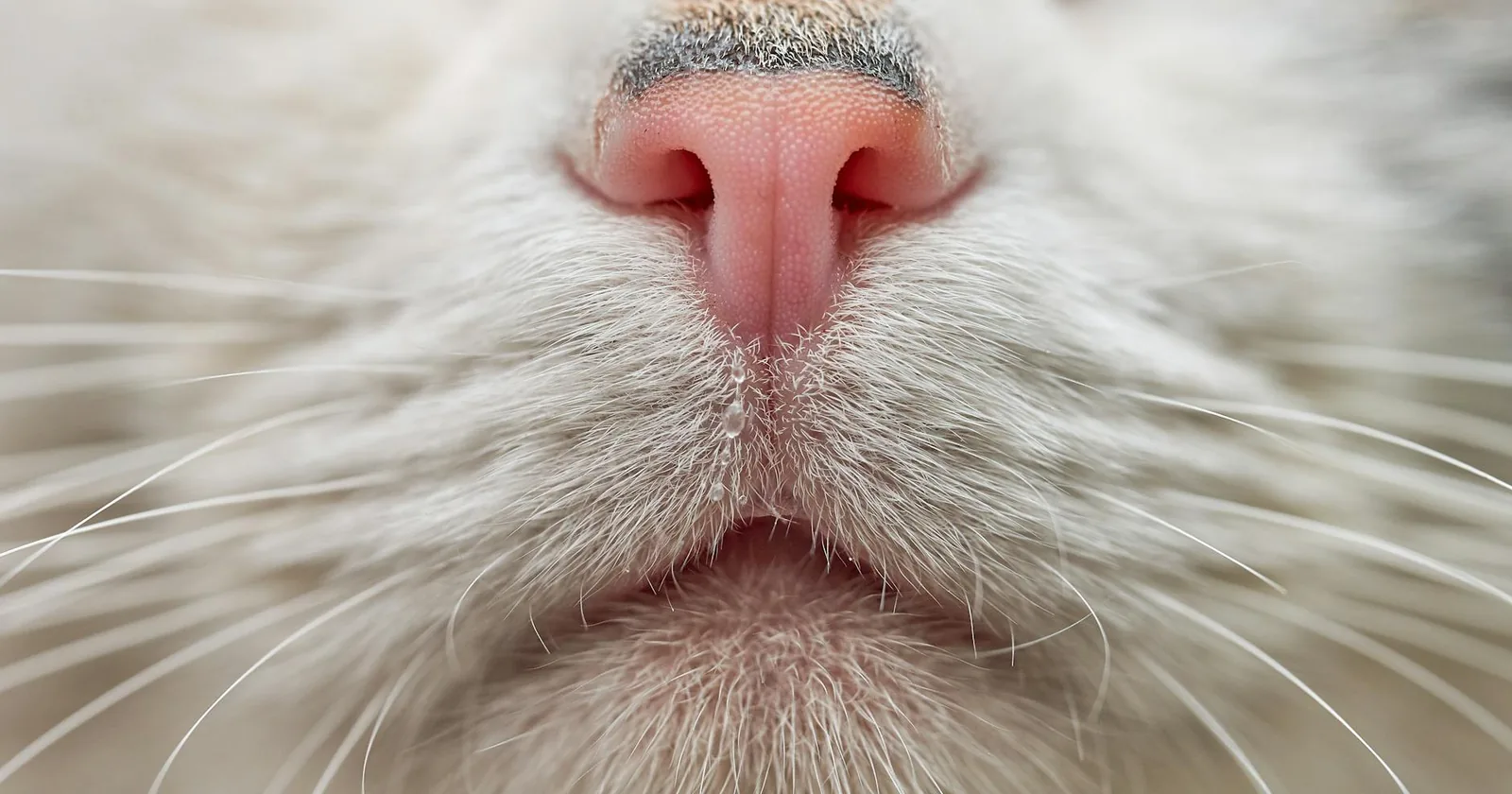
A “cat cold” sounds harmless. In a boarding setting it is anything but. Feline upper respiratory infection (URI), also called feline respiratory disease complex (FRDC), is the single most common illness picked up at cat hotels, and it spreads through high-density environments faster than almost any other contagion in feline medicine. Shelter epidemiology shows the cumulative probability of a cat developing URI can climb to roughly 80% by day 14 of a stay (Dinnage et al., 2009). Boarding is shorter than a shelter stint, but the underlying biology is the same. This guide explains why URI thrives in boarding, the five pillars of prevention, what symptoms warrant a vet call, and the questions you should ask any facility before you book.
Why Boarding Is a Perfect URI Breeding Ground
Feline URI is not one disease. It is a complex of pathogens that often coinfect, including feline herpesvirus-1 (FHV-1), feline calicivirus (FCV), Mycoplasma species, Bordetella bronchiseptica, and Chlamydia felis (Cohn, 2011; Sykes, 2014). FHV-1 and FCV are the global heavyweights. Mycoplasma felis is surprisingly common as a baseline carrier, with one Canadian shelter study finding 21% of arriving cats already shedding it on admission (Gourkow et al., 2013).
Several boarding-specific factors stack the deck against your cat:
- Density. More cats means more aerosol, fomite, and shed-virus exposure per square foot.
- Stress-driven viral reactivation. FHV-1 is a herpesvirus, which means most exposed cats carry it for life. A stressful environment can reactivate latent infection and cause a previously silent carrier to start shedding (Cohn, 2011).
- Mixed origins. Cats arriving from different households bring different viral histories, and that mixing creates novel exposures.
- Length of stay matters. The longer a cat stays in a high-density environment, the higher the cumulative risk. One large urban shelter study found roughly 32% of kittens and 26% of adults had developed URI by day 7 (Dinnage et al., 2009).
The good news: boarding facilities operate at lower densities than shelters and screen for vaccination. Done well, the actual incidence at a quality cat hotel can stay in the low single digits.
Pillar 1: Vaccination
Every reputable cat hotel requires current FVRCP, which protects against feline viral rhinotracheitis (FHV-1), calicivirus, and panleukopenia. Rabies is also standard. These cover the two most prevalent URI viruses but do not fully prevent infection or shedding. They reduce severity (Cohn, 2011).
Some facilities also require or recommend Bordetella and Chlamydia felis vaccines for high-risk situations such as multi-cat households, frequent boarders, or known facility outbreaks. These are not universal requirements because their disease impact is generally milder, but they are worth discussing with your vet if your cat boards frequently or has had prior URI episodes.
A practical timing rule: confirm vaccinations at least two to four weeks before drop-off so that boosters take full effect.
Pillar 2: Ventilation and HVAC Zoning
Airborne and aerosol transmission is a major route for FHV-1 and Bordetella. Sneeze barriers between adjacent enclosures, plenty of vertical and horizontal space between units, and a dedicated HVAC zone for the cat area (rather than air shared with dog wards or a busy lobby) all reduce cross-contamination. Look for facilities that quote air-change-per-hour figures or that can describe their ventilation design when asked. Vague answers are a yellow flag.
This is also why cat-only or cat-separated facilities matter beyond just stress reduction. A shared-air dog and cat ward exposes felines to Bordetella strains circulating among canine guests, and the species do share that pathogen. Our guide to choosing the right cat hotel walks through what to look for during an in-person tour.
Pillar 3: Intake Screening
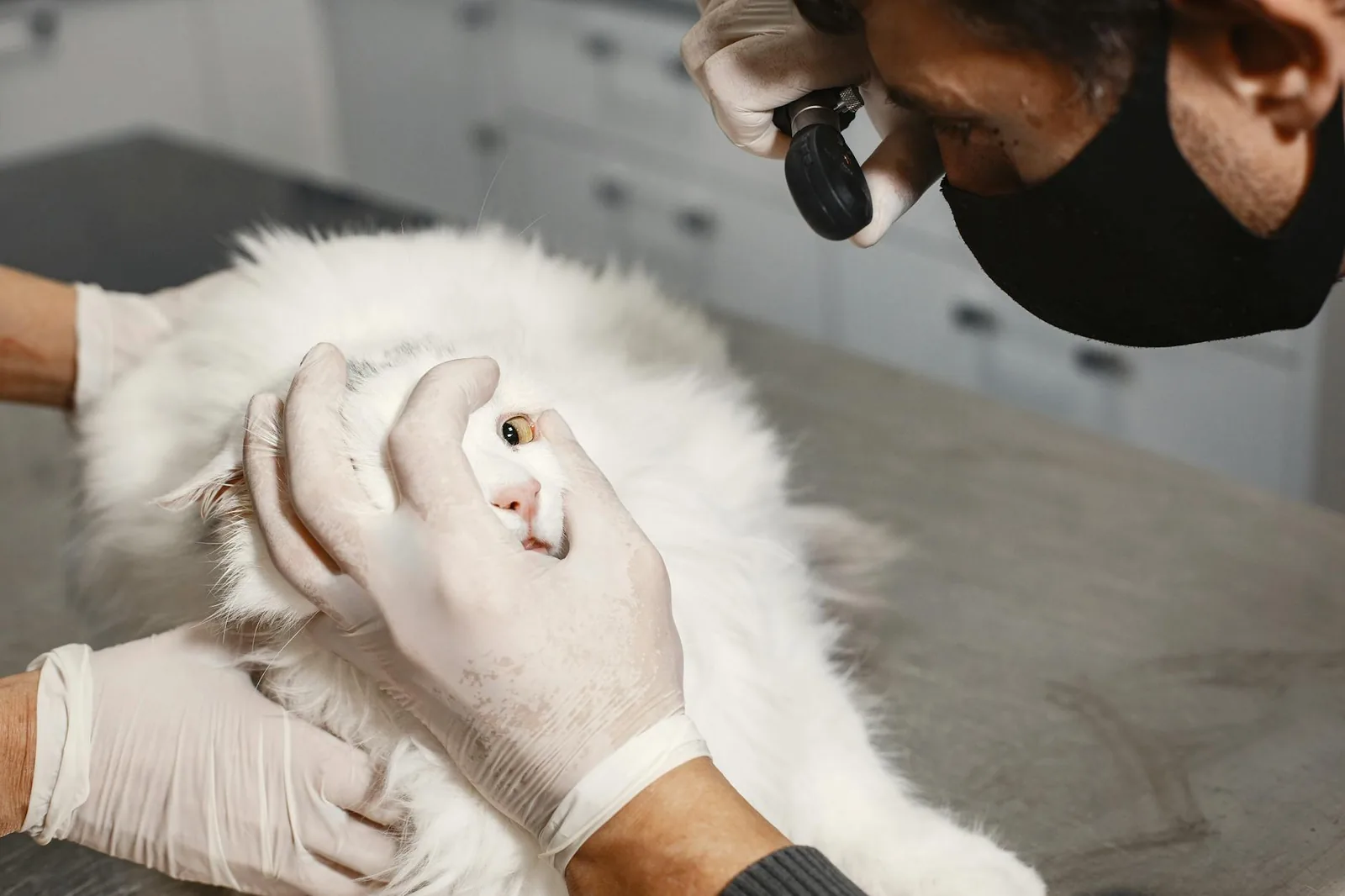
A surprising number of incoming cats are already shedding pathogens, even healthy-looking ones. The Canadian shelter study found 28% of cats tested positive for at least one URI agent on admission, and cats shedding at intake were 2.6 times more likely to go on to develop clinical URI than non-carriers (Gourkow et al., 2013).
Good facilities screen at the door. That can include:
- A brief physical inspection (eyes, nose, gum colour, breathing pattern).
- A medical history form covering recent illness, exposure to other cats, and chronic conditions.
- Review of the vaccine record dates.
- A short isolation period or extra distance for cats arriving from multi-cat households or recent rescues.
If a facility waves your cat through without checking anything, that same lack of rigor applies to every other cat passing through that door.
Pillar 4: Stress Reduction
Stress is not a soft variable in URI prevention. It is biology. Cortisol suppresses immune function and can reactivate latent FHV-1 in carrier cats, turning a silent passenger into an active shedder. Feline-friendly facility design, hiding spots, vertical perches, predictable routines, and minimal exposure to dogs all matter directly to disease control, not just comfort. The benefits of feline-only boarding setups come down to exactly this connection between stress and infection risk.
Practical things owners can do:
- Bring a familiar blanket or worn shirt with your scent.
- Pack the cat’s regular food (sudden diet changes compound stress).
- Avoid overlapping a vet visit, a long car ride, and a boarding drop-off in the same week.
- Choose a facility with private suites rather than open colony rooms unless your cat is already a confirmed group-living veteran.
Pillar 5: Isolation Protocols
Even with strong prevention, cases will occasionally appear. What separates a contained sniffle from a facility-wide outbreak is how fast and how thoroughly the staff isolate sick cats. A North American shelter survey found 91% of facilities had a dedicated isolation area, which is the minimum bar (Steneroden et al., 2013).
When you tour, ask:
- Where is the isolation room located, and is it on a separate ventilation circuit?
- Who handles isolated cats, and do they handle healthy cats afterward?
- What cleaning protocol applies between guests in the same suite?
- What happens if my cat develops symptoms during the stay (vet relationship, who calls me, what costs apply)?
Facilities that cannot answer these questions clearly are probably making it up as they go.
Symptoms That Warrant a Vet Call
Most URI cases are mild and self-limiting, but a subset progress to pneumonia, dehydration, or eye damage. Owners should ask the facility to call a vet immediately if their cat shows:
- Refusal to eat for more than 24 hours.
- Laboured breathing, open-mouth breathing, or audible wheezing.
- Thick green or yellow discharge from eyes or nose.
- Lethargy that does not improve with rest.
- Any ulcers in the mouth (a calicivirus signal).
- Fever, dehydration, or a kitten under 12 weeks showing any URI signs at all.
Pediatric URI is its own emergency category. Kittens have less reserve, coinfections hit harder, and mortality is meaningfully higher in young animals (Sykes, 2014).
Questions to Ask Any Facility Before You Book
Use these as a quick gate-check during a tour or phone call:
- Is the cat area on a separate ventilation system from dogs, the lobby, and the isolation suite?
- What vaccines do you require, and how recently must they have been given?
- Do you screen cats at intake? What does that look like?
- What is your isolation protocol if a cat develops symptoms?
- Who is your on-call veterinarian and what is the response time?
- How do you reduce stress for new arrivals (suite design, hiding spots, handling style)?
- What happens to my deposit if my cat is turned away at intake for symptoms?
A facility that treats URI prevention as a system, not an afterthought, will answer these confidently. That is the cat hotel you want.
Further reading (sources)
- Cohn on the feline respiratory disease complex and its environmental drivers
- Sykes for pediatric feline upper respiratory disease and pathogen coinfection
- Dinnage and colleagues with shelter URI epidemiology and length-of-stay risk curves
- Gourkow and colleagues on intake shedding rates and risk factors in a Canadian shelter
- Steneroden and colleagues for a North American survey of shelter URI management practices
- Daily Paws with a plain-English overview of feline upper respiratory infections
Feature photo by Aleksandr Nadyojin on Pexels.