Traveling with Your Cat: Tips for Choosing the Right Cat Hotel
Published on February 1, 2025
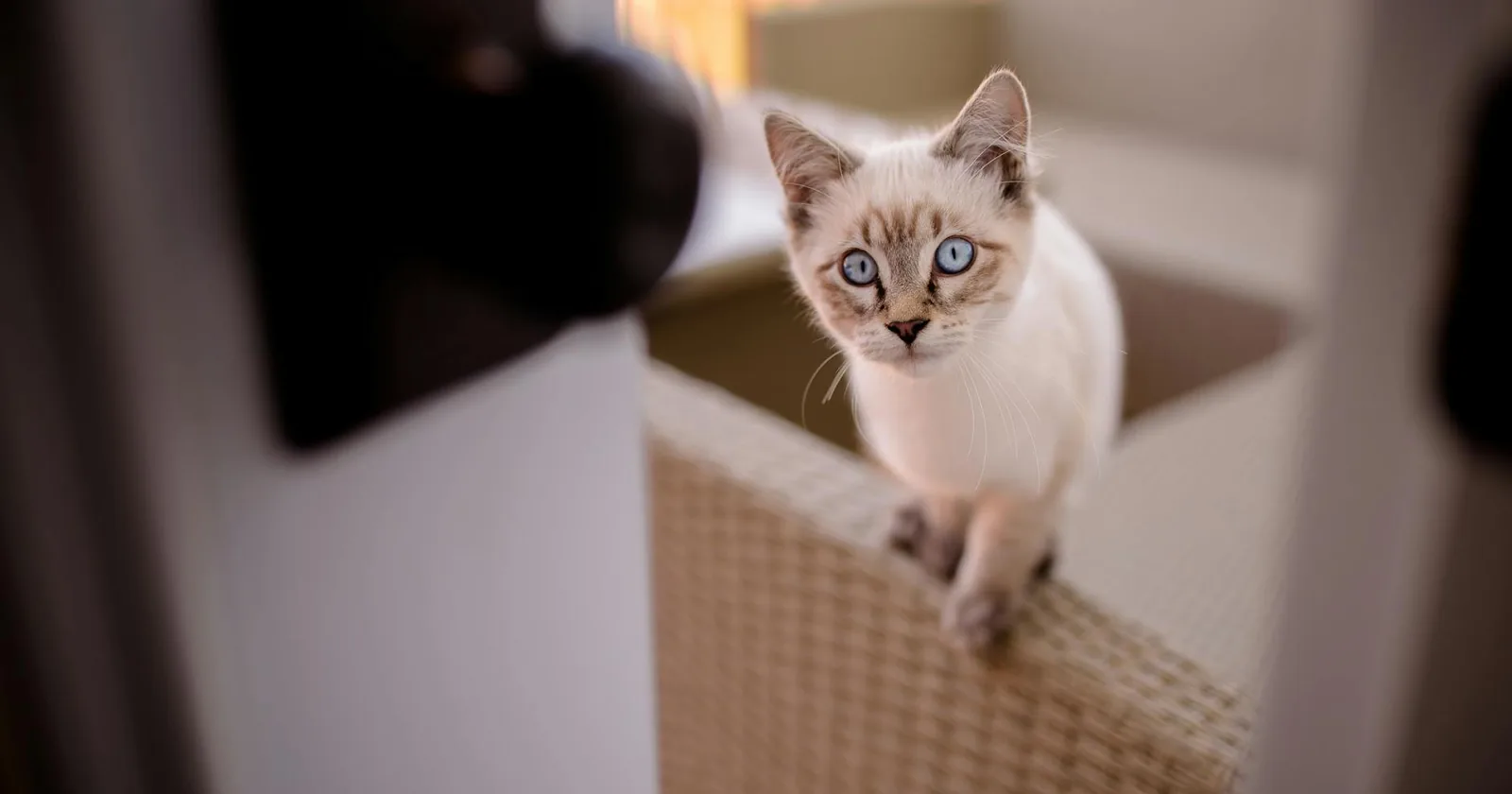
Traveling is exciting, until you start thinking about who will take care of your cat while you are gone. Most cats are creatures of habit who prefer their own territory, and the idea of leaving them in an unfamiliar place can feel unsettling for both pet and owner. The good news is that a well-chosen cat hotel can provide a safe, comfortable, and even enriching experience for your feline companion. Here is how to find the right one.
Start Your Search Early
Popular cat boarding facilities fill up quickly, especially during holidays and summer travel season. Begin researching options well in advance of your trip (ideally several weeks or even months ahead for peak travel periods) (Better With Cats, 2025). Ask your veterinarian for recommendations, check online reviews from multiple sources, and compile a shortlist of facilities that look promising. Your vet is a particularly valuable resource because they often have firsthand knowledge of how well local boarding facilities handle medical needs and emergencies.
Prioritise Cat-Only or Cat-Separated Facilities
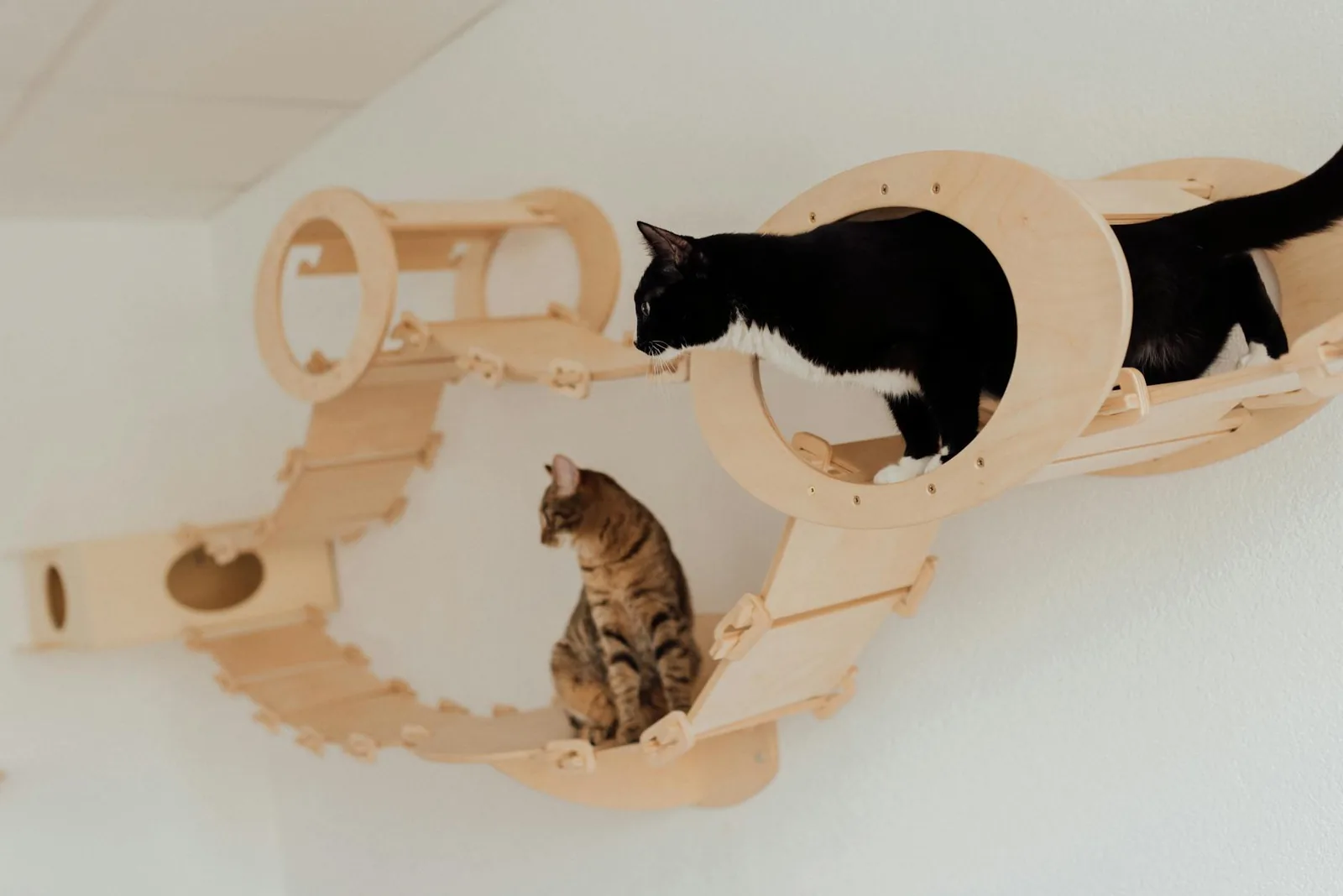
Cats are sensitive to their environment in ways that dogs are not. The sound of barking, the scent of unfamiliar animals, and the general commotion of a busy kennel can trigger significant stress. Whenever possible, choose a facility that either caters exclusively to cats or maintains a completely separate feline area with its own ventilation, entrance, and staff (Cat Chat, 2025). Cat-specific facilities are designed with feline behaviour in mind, from vertical climbing spaces and elevated perches to quiet rooms with natural light and window views.
If a cat-only facility is not available in your area, at minimum confirm that the boarding facility keeps cats in a section where they cannot see or hear dogs.
Tour the Facility in Person
Never book a cat hotel without visiting first. A reputable facility will welcome tours and be transparent about its operation. Evaluate cleanliness, ventilation, and the overall atmosphere. The space should look tidy, smell fresh, and feel calm (Better With Cats, 2025). Individual enclosures should be spacious enough to separate the litter box from food and water, and each unit should include a raised shelf, a hiding spot, and a scratching surface (Cat Chat, 2025).
Check that proper sneeze barriers or adequate spacing between units are in place to prevent airborne illness. Also observe how staff interact with the animals. They should appear knowledgeable, gentle, and attentive.
Verify Health and Vaccination Requirements
Any reputable cat hotel will require proof of current vaccinations before admitting your cat. Standard requirements typically include rabies and FVRCP (covering feline distemper, calicivirus, and rhinotracheitis), and many facilities also require or recommend testing for feline leukaemia virus and feline immunodeficiency virus (Great Pet Care, 2025). Make sure your cat’s vaccinations are up to date well before your travel date, as some vaccines need time to take effect. You should also confirm that your cat is current on flea and parasite prevention.
If your cat takes daily medication or has special dietary needs, discuss this with the facility in advance. Quality cat hotels have staff trained to administer medications, including injections like insulin, but they need clear written instructions and adequate notice (Catster, 2025).
Ask About Daily Routines and Enrichment
A good cat hotel does more than provide food and a clean litter box. Ask how often enclosures are cleaned, what cats are fed, and what enrichment is provided. The best facilities offer playtime with interactive toys, puzzle feeders, or one-on-one attention from staff. Some luxury options include climbing walls, window gardens, and calming music (Pet Camp, 2024). Understanding the daily routine helps you assess whether the facility suits your cat’s personality. An active cat may thrive with structured play, while a shy cat may do better with a quiet suite and minimal handling.
Prepare Your Cat for the Stay
Once you have chosen a facility, take steps to make the transition as smooth as possible. In the days before boarding, get your cat comfortable with their carrier by leaving it open at home with treats or a familiar blanket inside. On drop-off day, bring along items that carry the scent of home, such as a favourite toy, a piece of your clothing, or their usual bedding. Let the staff know about your cat’s habits, preferences, and any behavioural quirks, both good and bad (Cat Chat, 2025).
If possible, schedule a short trial visit or a single overnight stay before committing to an extended booking. This gives your cat a chance to become familiar with the environment and gives you a chance to see how they adjust.
Know What to Expect on Pickup
When you bring your cat home, give them time to readjust. Some cats bounce right back while others may be withdrawn or clingy for a day or two, and this is normal. Provide a quiet space, fresh food and water, and let them re-establish their territory at their own pace (Valley Pet Hotel, 2025).
Choosing the right cat hotel takes research and a bit of legwork, but it is well worth the effort. A facility that understands feline needs, maintains high standards of cleanliness and safety, and communicates openly with pet parents can turn what might be a stressful separation into a comfortable stay for your cat, and genuine peace of mind for you.
Further reading (sources)
- Better With Cats on the pros and cons of cat boarding
- Cat Chat for what to look for in a boarding cattery
- Catster with what to expect when leaving your pet
- Great Pet Care on cat boarding cost and considerations
- Pet Camp for trusted cat boarding in San Francisco
- Valley Pet Hotel with the ultimate guide to cat boarding
Feature photo by Eva Penner Martens on Pexels.