Calming Medication for Boarding Cats: Gabapentin, Trazodone, and What the Evidence Supports
Published on August 4, 2026
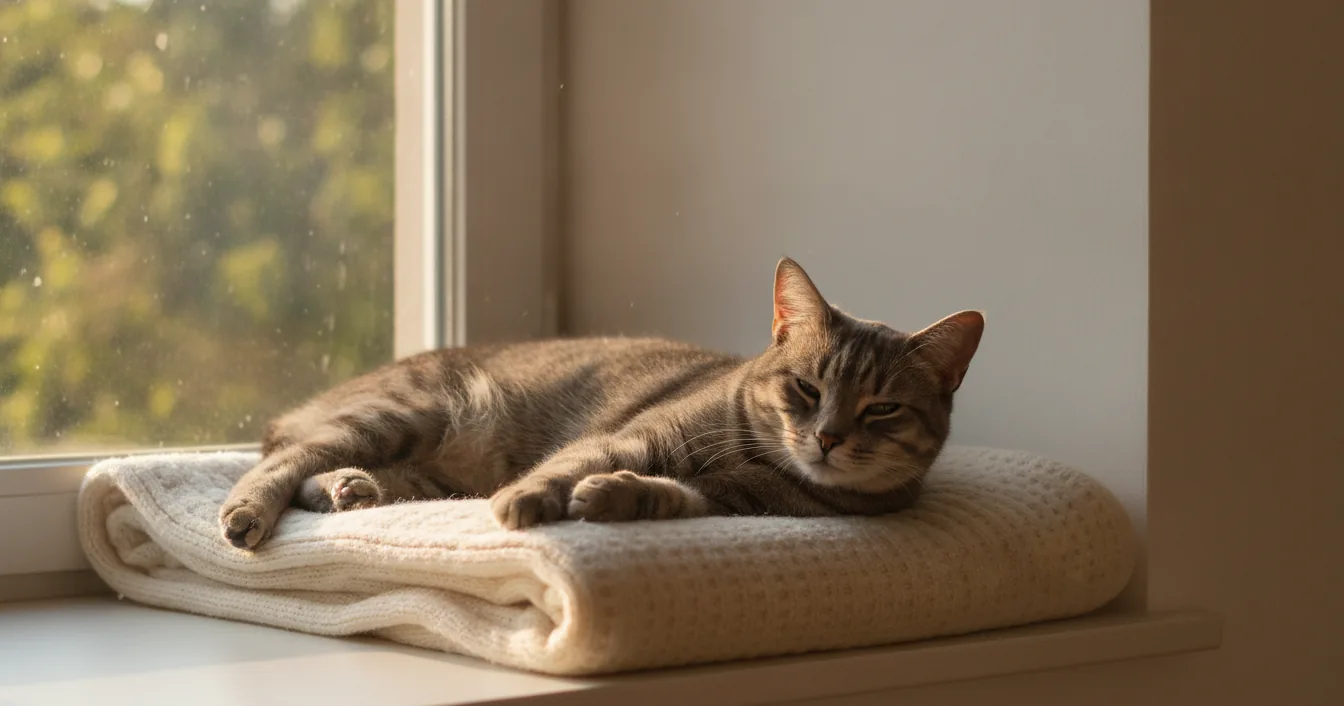
Every cat hotel gets the same question, usually at the counter on drop-off morning, usually from an owner watching their cat flatten itself into the back of the carrier. “Can you give her something?”
The short answer is almost always no, not because the request is unreasonable but because the facility is the wrong end of the process. Anything worth giving is prescription only, has to come from the vet who knows your cat, and needs to be in the cat before the carrier ever leaves your house. The longer answer is more interesting, because the evidence base in this area has grown quickly over the past decade and it does not say quite what most owners assume.
Sedation and Anxiolysis Are Not the Same Thing
This distinction is the whole subject in one line, and getting it wrong is how owners end up disappointed or frightened.
Sedation flattens the nervous system. A sedated cat is quieter, slower, and easier to handle because it cannot mount much of a response. Its fear is not necessarily gone. It is just less able to act on it.
Anxiolysis reduces the fear itself. An anxiolysed cat is still awake and aware, still able to walk to the litter tray and eat, but the threat response is dialled down.
What owners picture when they ask for “something to calm her” is anxiolysis. What heavy dosing delivers is sedation, and a sedated cat left alone in a suite overnight is a genuine welfare problem rather than a calm one. The drugs discussed below sit somewhere on that spectrum, dose dependent, and the goal is always to land on the anxiolytic end of it.
Gabapentin: The Strongest Evidence in the Category
Gabapentin started life as a human anticonvulsant and is now the default pre-visit medication in feline practice, largely on the strength of one well-designed trial.
Van Haaften and colleagues (2017) ran a randomized, blinded, placebo-controlled crossover study in twenty healthy cats with a documented history of stress or aggression at the veterinary clinic. Each cat got either 100 mg of gabapentin or a placebo ninety minutes before the appointment, then swapped treatments for a second visit a week later. Owner-assessed stress scores during transport were significantly lower on gabapentin, and veterinarians rated the cats as significantly more compliant during handling.
Pankratz and colleagues (2018) tested the same 100 mg dose in a very different population: unsocialized community cats confined in traps, in a double-blind placebo-controlled field trial. The medicated cats scored lower on fear measures than the placebo cats. That matters because it suggests the effect is not just about cats who already tolerate their owners.
For a boarding stay, the useful reading of these studies is narrow but real. Gabapentin has good evidence for the transport-and-arrival window, which is the part of the stay that reliably terrifies cats. It has no evidence at all as a multi-day treatment to make a cat enjoy a suite.
The Wobble Owners Mistake for a Bad Reaction
The single most common panicked phone call about gabapentin is not about an allergic reaction. It is about ataxia.
A couple of hours after a dose, a cat may look drunk. Splayed back legs, a low sway when walking, a missed jump, an unwillingness to climb. Owners see this and conclude the drug has poisoned their cat. It has not. Ataxia and mild sedation are the expected side effects at the doses used in these trials, and in the van Haaften study they had resolved within roughly eight hours of dosing.
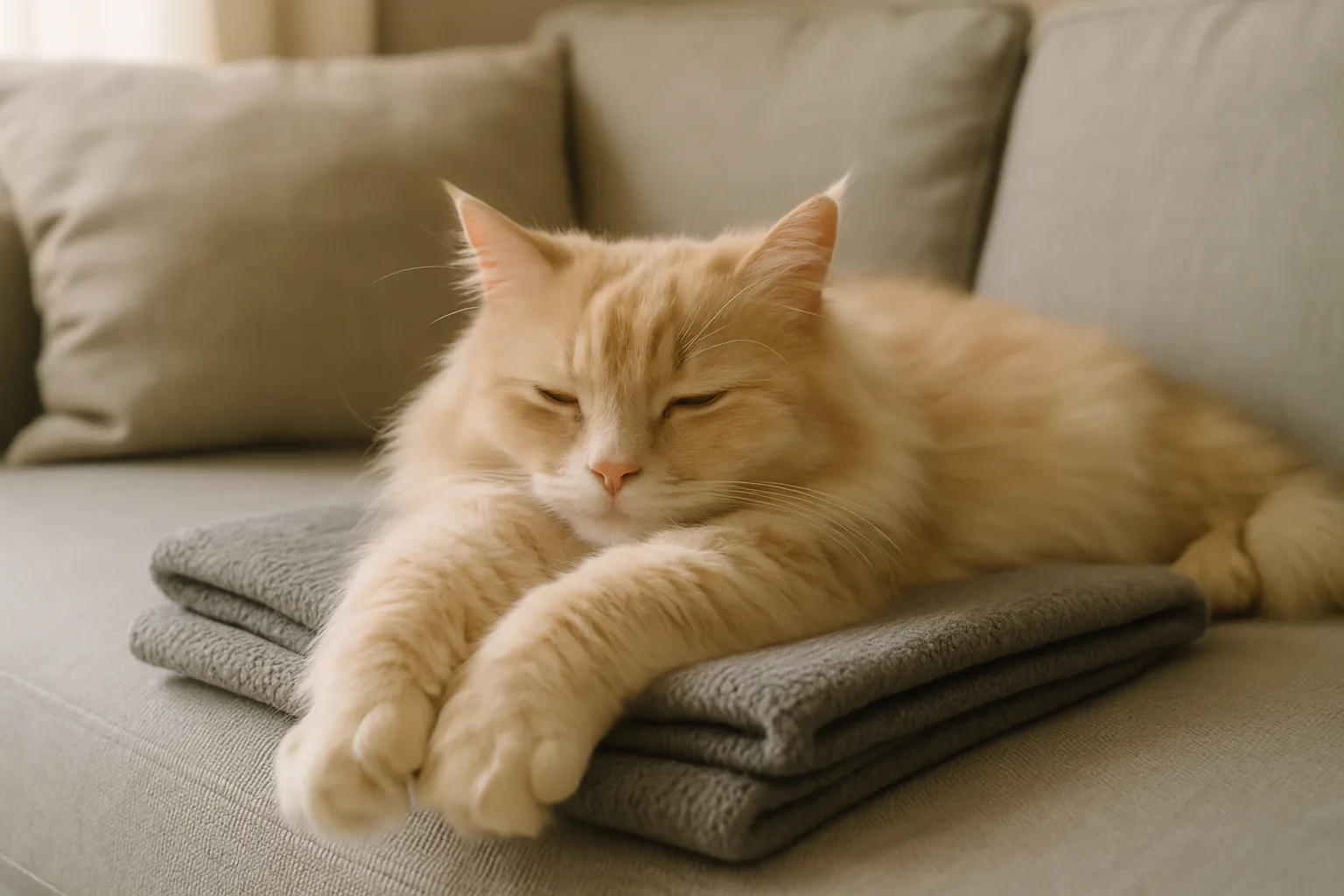
Two practical consequences follow. First, a wobbly cat should not be put somewhere it can fall. If your cat is dosed at home before drop-off, keep it off high shelves and away from stairs until you leave. A good facility does the same and starts a newly arrived medicated cat on the floor level of the suite rather than on a top platform. Second, tell the facility the cat has had it. Staff trained to watch for illness will otherwise log a wobbly, drowsy, quiet cat as a possible neurological problem and start worrying. Knowing what to expect is the difference between a calm shift and a 9pm call to your vet. Our guide to reading feline stress signals at boarding covers what the genuinely worrying presentations look like.
Two more cautions worth raising with your vet: gabapentin is cleared by the kidneys, so cats with reduced renal function usually need a lower dose, which is a common scenario in the older cats covered in our guide to boarding a senior cat. And some human liquid formulations contain xylitol, so ask specifically for a xylitol-free preparation or a capsule.
Trazodone: The Other Common Choice
Trazodone is a serotonin antagonist and reuptake inhibitor, and it is the drug most vets reach for second.
Stevens and colleagues (2016) gave healthy cats a single 50 mg dose before a simulated veterinary visit in a small crossover trial. Anxiety during transport fell and the cats were easier to examine. A companion pilot study by Orlando and colleagues (2016) mapped the practical shape of the dose: onset within about an hour, peak effect around two hours, and most of it worn off by eight. The reported side effects were the ones you would expect, principally ataxia and sedation, with occasional hypersalivation and one cat showing a brief burst of aggression as it came round.
There is no large head-to-head trial telling you which drug wins, and honest practitioners will say so. In practice the choice is made on the individual cat: gabapentin is often first, trazodone is tried when gabapentin was ineffective or caused too much sedation, and some vets prescribe both together for cats that need more coverage. One safety point is not optional. If your cat is already on fluoxetine, clomipramine, or another serotonergic medication, trazodone needs an explicit conversation about serotonin syndrome before anyone doses it.
Where Supplements Actually Fit
Alpha-casozepine (a milk protein derivative sold as Zylkene) and L-theanine are the two nutraceuticals most often suggested at the counter, and they occupy a different slot entirely.
Beata and colleagues (2007) found alpha-casozepine improved anxiety scores in cats, and Landsberg and colleagues (2017) found a diet supplemented with alpha-casozepine and L-tryptophan reduced measures of fear and anxiety over an eight-week period. Dramard and colleagues (2018) reported improvement in stress-related signs in cats given L-theanine for thirty days, though that study was open-label with no placebo group, which puts a real ceiling on how much weight it can carry.
Notice the timescales. These are multi-week protocols, not drop-off morning interventions. Starting Zylkene the day before a stay is not a use any of the evidence supports. Started two or three weeks out and continued through the stay, it is a low-risk adjunct that some cats appear to benefit from, and it pairs naturally with the at-home preparation described in our piece on easing anticipatory stress before boarding.
What a Cattery Can and Cannot Give
The boundary lines here are firmer than most owners realize, and reputable facilities are strict about them.
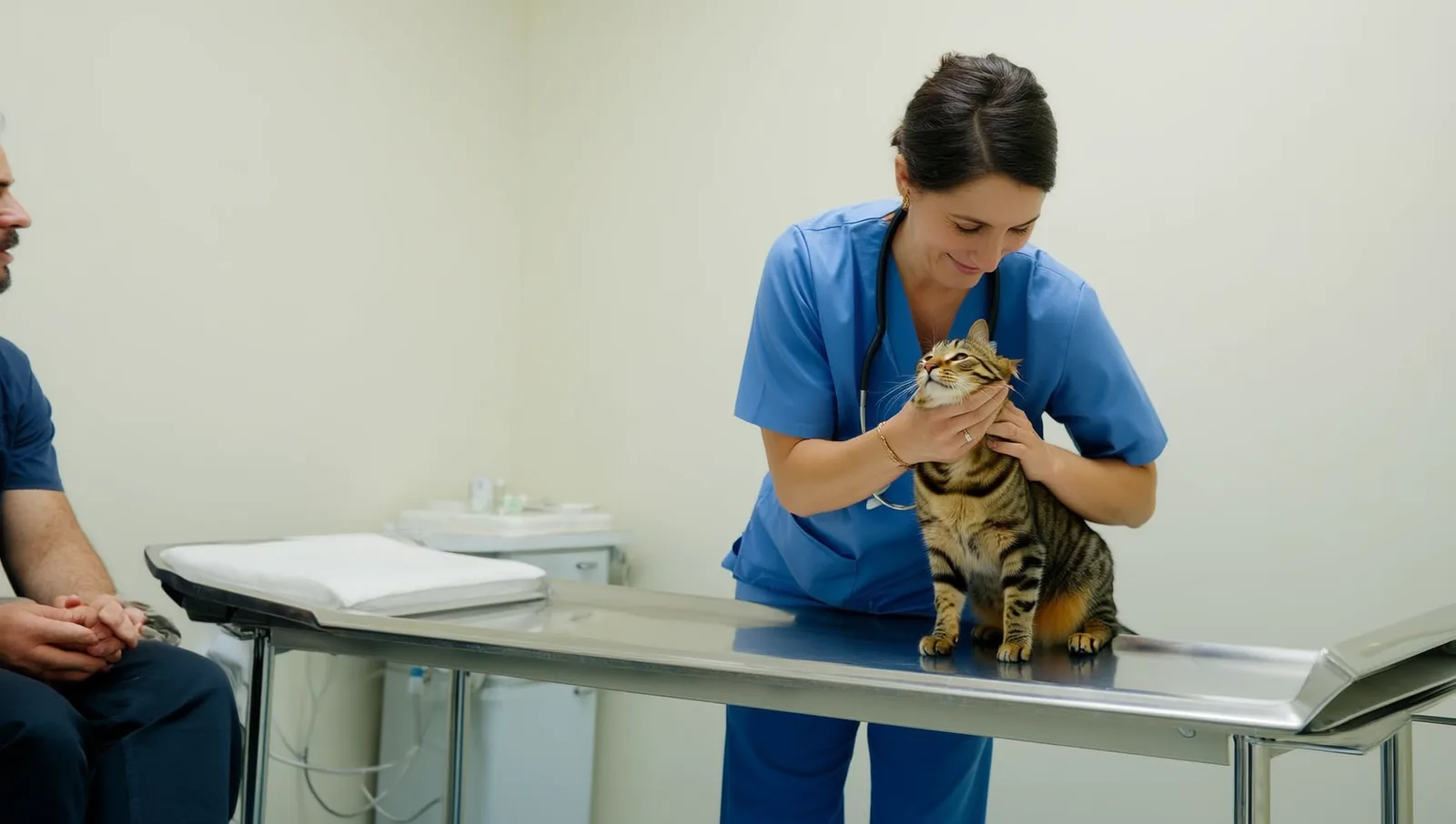
- A cattery cannot prescribe. Gabapentin and trazodone are prescription-only medicines in the US and POM-V in the UK, and prescribing requires a valid relationship between your cat and your own veterinarian. No amount of staff experience substitutes.
- A cattery cannot dose from another cat’s bottle. Medication must arrive in its original packaging, labelled by the dispensing vet, with your cat’s name on it. A facility that offers to share a supply from the back room is telling you something important about how it operates.
- What staff can do is administer. Giving a prescribed, labelled medication exactly as directed and recording the dose and time is normal boarding work, and most facilities charge a modest medication fee for it. In England, licence conditions under the 2018 animal activities regulations require that record to be kept in the first place.
- Same-day dosing is usually the owner’s job. The pre-visit dose needs to be in the cat ninety minutes to two hours before travel, which means it happens in your kitchen, not at reception.
- Nobody should be sedating a cat for the night. These drugs are studied as event medication for transport and handling. A heavily sedated cat alone in a suite risks falls, hypothermia, and an inability to reach the litter tray or water.
Also worth knowing: gabapentin has moved onto the controlled substance schedules in a growing number of US states (Kentucky was first, in 2017), which adds prescribing and record-keeping requirements in those jurisdictions. It changes the paperwork rather than the clinical picture, but it is another reason the drug comes from your vet rather than the facility.
Medication Does Not Fix a Bad Suite
The most important thing to say about all of this is where it ranks.
Stress at boarding is driven by things a pill cannot reach: line of sight to other cats, dogs within earshot, a suite with nowhere to hide, a bare floor with no vertical retreat, staff who reach into the space and grab. The measurable link between stress and illness in confined cats is well established, and we set out that mechanism in detail in how stress drives cat colds at boarding. No anxiolytic corrects a facility that is fundamentally frightening to live in.
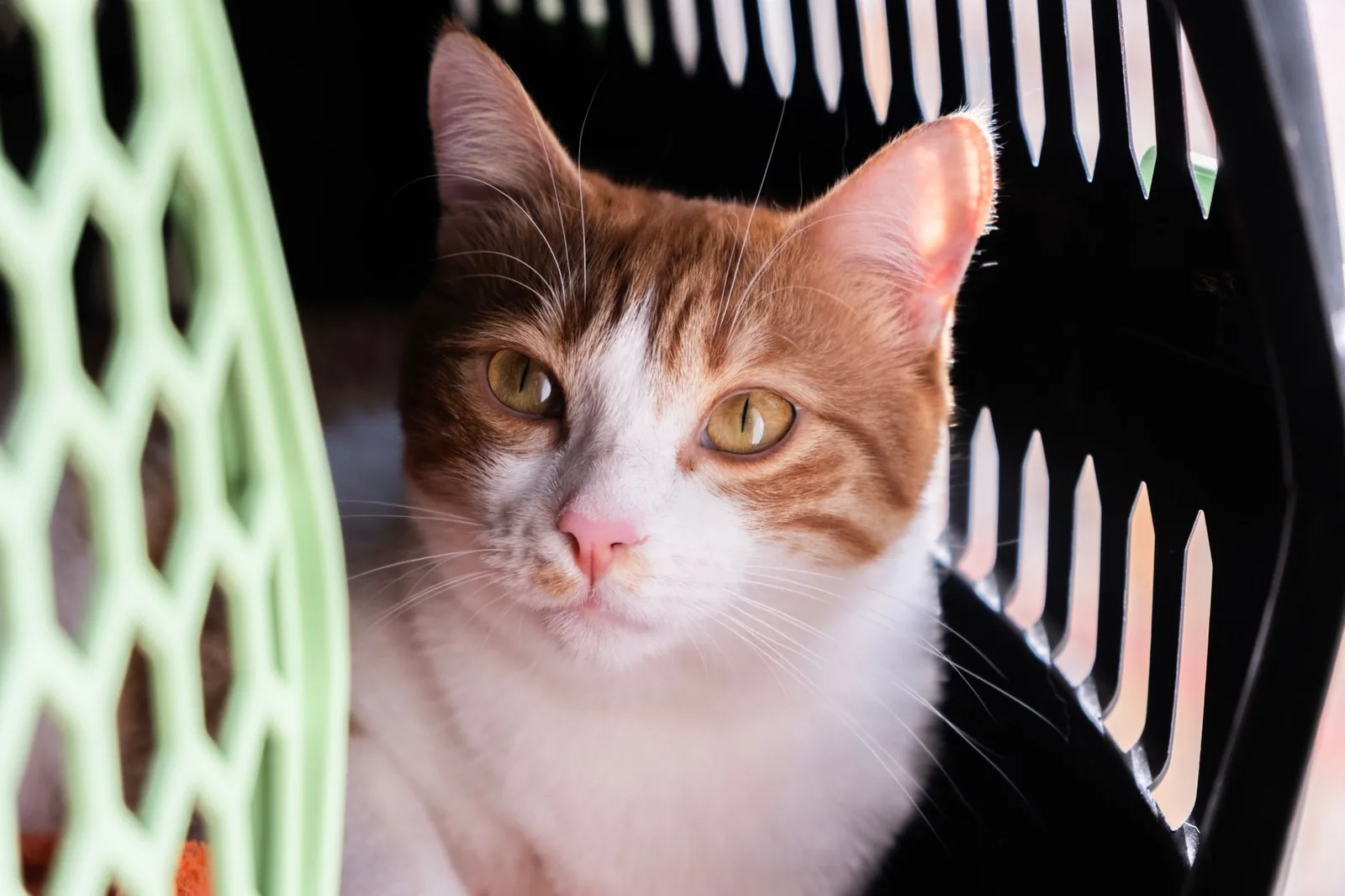
Used properly, pre-visit medication does one specific job very well. It takes the worst two hours of the stay, the carrier, the car, and the first minutes in an unfamiliar room, and makes them survivable for a cat that would otherwise arrive already in crisis. That is a worthwhile thing to arrange, in the same category as arranging antiviral cover for a known herpes cat, which we cover in our guide to famciclovir for boarding cats.
Book the vet conversation two or three weeks before you travel, not the week of. Ask for a trial dose at home on a quiet day so you know how your cat responds before the response matters. Then tell the facility exactly what was given and when. Done in that order, the answer to “can you give her something” becomes “she has already had it, at eight this morning, and here is the label.”
Further reading (sources)
- Van Haaften and colleagues on the blinded crossover trial of gabapentin before veterinary visits
- Pankratz and colleagues for the placebo-controlled field trial in trap-confined community cats
- Stevens and colleagues with a single dose of trazodone tested against transport and examination anxiety
- Orlando and colleagues on how quickly oral trazodone takes effect and wears off in cats
- Landsberg and colleagues for alpha-casozepine and L-tryptophan tested over an eight-week period
- Dramard and colleagues with an open-label field study of L-theanine in stressed cats