How Stress Drives Cat Colds at Boarding: The Science Behind Behavioral URI Prevention
Published on May 15, 2026
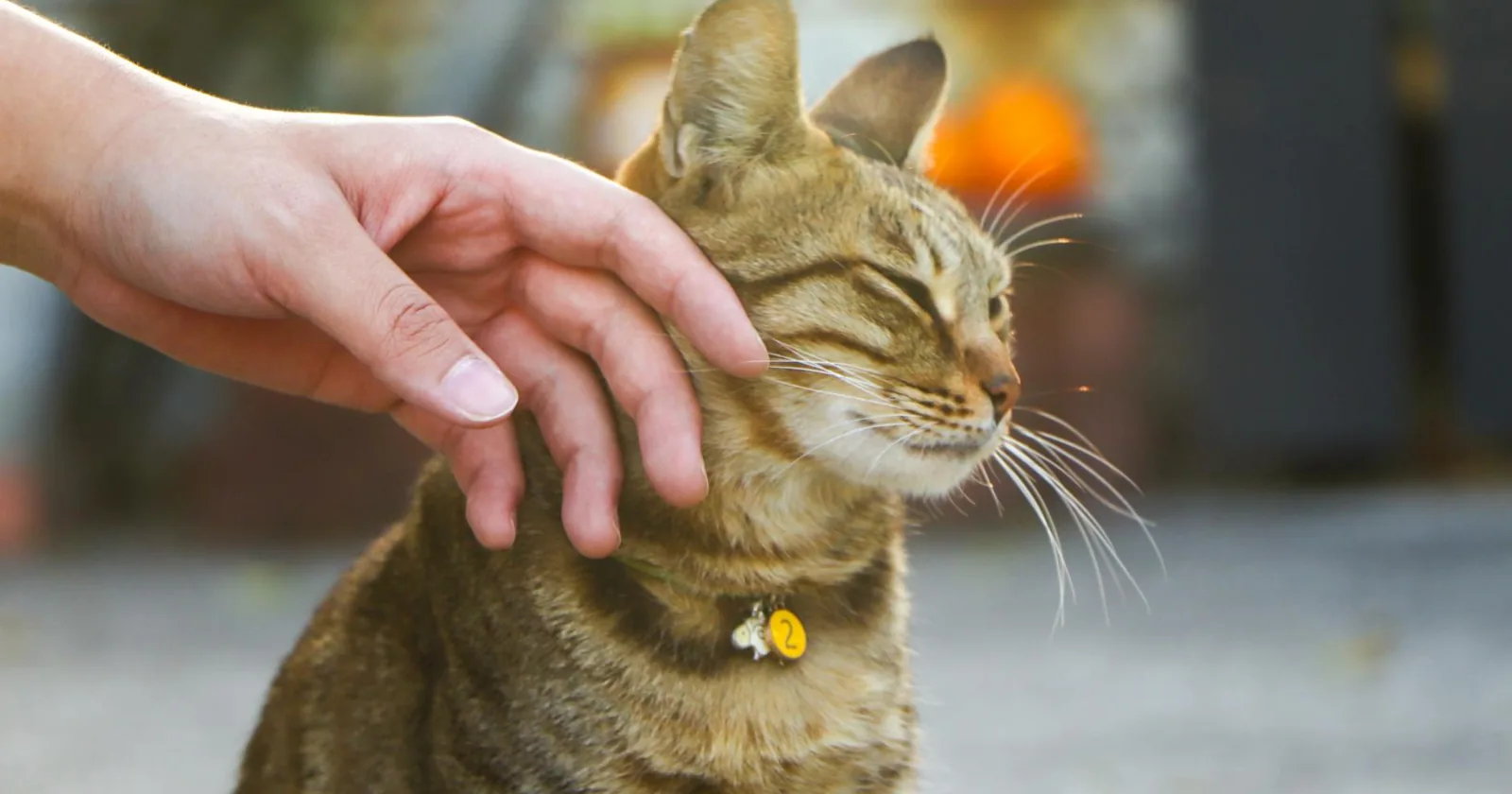
The intuition is older than feline medicine itself: a stressed cat is more likely to come down with a runny nose. What used to be folk wisdom now has a measurable biological mechanism behind it. Cortisol suppresses mucosal immunity, latent herpesvirus reactivates, secretory IgA antibodies drop, and a cat that arrives healthy at a boarding facility can be sneezing inside a week. The encouraging part is that the same behavioural levers that reduce stress also measurably reduce upper respiratory infection (URI) rates. Below is what the research actually shows, separated from what the marketing catalogues wish it showed, and how a cat hotel should translate the findings into the daily run of the cattery.
The Stress-Immunity-Infection Axis
Feline URI is not just a question of which pathogens are in the room. It is a question of which cats are physiologically capable of fending them off. A 2012 prospective cohort study by Tanaka and colleagues at UC Davis followed 60 adult shelter cats and put concrete numbers on the stress-immunity link. Cats with high behavioural stress scores during their first week were 5.6 times more likely to develop URI than cats with low stress scores. Food intake and stress scores were tightly negatively correlated (r equals minus 0.98), meaning that stressed cats stopped eating, and the resulting weight loss reflected the same cortisol load that was suppressing their mucosal defences. Eighty-two percent of cats lost weight during at least one week of their stay, and a quarter dropped more than 10% of body mass before they left.
That chain (behaviour, eating, infection) is exactly what a good boarding facility needs to interrupt. You cannot easily change a cat’s underlying genetics or vaccine history, but you can change how the room feels.
What Gentling Does
The strongest evidence base for behavioural intervention comes from two trials by Gourkow and colleagues. In 2014 they enrolled 139 cats rated as Anxious on admission to a shelter and randomised them to either ten minutes of gentle stroking and soft vocalisation four times daily for ten days, or to a control protocol where a human stood in front of the cage with eyes averted for the same period. The differences were striking. Gentled cats were 39% less likely to be rated Anxious or Frustrated than controls (incidence rate ratio 0.61, P equals 0.007). Their faecal secretory IgA, a marker of mucosal antibody production, was substantially higher than controls. Control cats shed URI pathogens at rising rates over the trial (23%, 35%, 52% on days 1, 4, and 10), while gentled cats stayed roughly flat (32%, 26%, 30%). Most importantly, control cats were 2.4 times more likely to develop clinical URI.
The 2015 follow-up tested whether the same protocol would help cats who arrived Content rather than Anxious. Ninety-six already-contented cats received either the human-interaction sessions or the eyes-averted control. Treated cats were more likely to stay Content, their secretory IgA was higher (1451 versus 846 micrograms per gram of faeces), and once again control cats shed pathogens at increasing rates while treated cats did not. Both anxious and contented cats benefit from structured, gentle handling, by the same mechanism: lower stress, more antibody production, less viral shedding, less clinical disease.
What Pheromones Did Not Do
This is where the evidence gets uncomfortable for the cattery supply catalogue. In 2017 Chadwin and colleagues ran a randomised controlled trial of synthetic feline facial pheromone diffusers across 336 cats in two California shelters. Each holding room received either an active diffuser or a placebo, with a 21-day exposure period, a 7-day washout, and a crossover. The result was unambiguous: no significant effect on daily stress scores, and no significant effect on URI incidence. The authors concluded that “other established methods for stress and URI reduction should be used in shelter settings.”
This does not mean that no individual cat has ever calmed down near a pheromone diffuser, and it does not invalidate every anecdote from a cattery owner. It means that, on the question of population-level URI outcomes in a shelter-like environment, the evidence does not support the diffuser as a primary intervention. If you are choosing between funding staff hours for gentling sessions and adding pheromone hardware, the data favour the staffing. Treat pheromones as a possible adjunct, not a substitute for behavioural care.
Weight as the Early-Warning Signal
The Tanaka findings carry a practical operational lesson that most boarding facilities miss: weigh the cats. Daily or near-daily weights, combined with food-intake notes, identify stressed individuals before they show URI signs. Because food intake correlated almost perfectly with stress in that cohort, even a 5% weight drop in the first week is a signal that a cat’s nervous system is winning the fight with its appetite. That is the moment to intervene with extra hiding spots, lower-traffic placement, or an extra session of gentling. Waiting until ocular discharge appears is waiting too long.
A simple boarding protocol: weigh at intake, again on day 3, and again on day 7 for any stay longer than a week. Flag any cat that has lost more than 5% for behavioural escalation, not just a feeding adjustment. The scale is the cheapest health-monitoring tool in the building and the one most often left in a closet.
Translating Research Into the Daily Run
If you operate a cat hotel, the implications stack up into a concrete checklist. The same principles apply if you are an owner trying to evaluate a facility before booking.
- Structured human-contact sessions. Multiple short interactions per day, roughly ten minutes each, with gentle stroking and quiet vocalisation for cats that tolerate it. Eyes-averted observation only when a cat is actively avoiding contact. This is not optional enrichment, it is infection control.
- Quiet-room design. Visual barriers between enclosures, low ambient noise, no line-of-sight to dogs, and predictable daily routines. Cats that can hide can downregulate. Our complete URI prevention guide covers the ventilation and isolation side of the same problem.
- Weighing protocol. Intake weight, midweek weight, and a 5% loss threshold that triggers behavioural escalation. The scale is your earliest warning system.
- Cat-only or cat-separated housing. Feline-only facilities keep the loudest, smelliest stressors out of the equation entirely.
- Pheromone diffusers as adjunct only. If you use them, do not let them substitute for staff time. Spend the budget on training and people first.
- Owner-side preparation. Bring a familiar blanket, the cat’s regular food, and tour the facility before booking. Our guide to choosing the right cat hotel covers the questions that matter on a walkthrough.
The throughline is straightforward. The immune system in a stressed cat is not the same immune system that lives in a calm cat. Behavioural care is not soft science wrapped around the real medicine, it is the real medicine. Every minute a staff member spends sitting next to an anxious cat, offering a slow blink and a quiet voice, is buying that cat measurable mucosal antibody and measurably lower odds of going home with a cold.
Further reading (sources)
- Gourkow and colleagues on gentling anxious shelter cats and the resulting drop in URI
- Gourkow and colleagues for sustained contentment, secretory IgA, and URI resistance in content cats
- Chadwin and colleagues with a randomised trial showing no URI benefit from feline facial pheromones
- Tanaka and colleagues on behavioural stress, weight loss, and the 5.6x URI risk multiplier in shelter cats