Cat Hotel Fire Safety: Questions Every Owner Should Ask Before Booking
Published on June 19, 2026
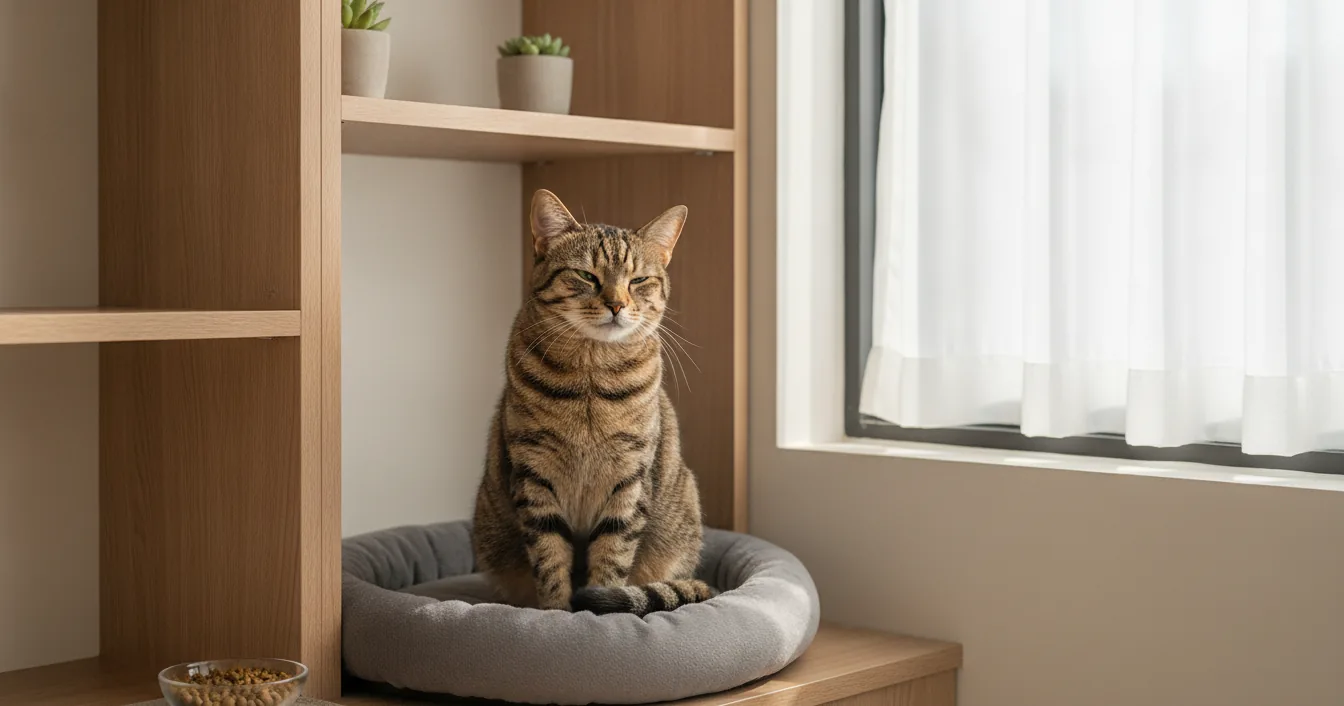
Most boarding checklists cover vaccines, suite size, and webcam access. Almost none of them mention the one failure that kills cats in the largest numbers when it happens: fire. In 2022, an early morning blaze tore through a strip mall in the Palms neighborhood of Los Angeles. The building housed an overnight feline boarding facility, and 17 cats died. Firefighters pulled several out alive and rushed two to emergency care, but a shared attic carried smoke across the row of businesses before crews could knock the fire down. A year earlier in Georgetown, Texas, 75 dogs died at the Ponderosa Pet Resort, a facility that had no overnight staff, no sprinklers, and no monitored alarm.
These are not freak events. They expose a gap that owners rarely think to check. This guide explains why a fire at a cat hotel is so uniquely deadly, the three systems that actually save lives, and the specific questions to ask any facility before you hand over your cat.
A Boarded Cat Cannot Save Itself
At home, a cat that smells smoke runs, hides, or claws at a door until someone lets it out. Inside a boarding suite behind a latched door, or worse inside a crate, every one of those instincts is useless. The cat is entirely dependent on a human noticing the fire in time and physically carrying it to safety.
That single fact reshapes what fire safety means at a cat hotel. It is not really about the cats at all. It is about how fast a fire is detected and whether a person is present and able to act on that detection. Speed and staffing, not luck, decide who walks out. A facility can have beautiful suites, enrichment programming, and five-star reviews and still fail the only test that matters at 3 a.m.
The Overnight Gap
The most dangerous hours are the ones after the lobby lights go out. Many boarding facilities, including genuinely good ones, close in the evening and sit empty until staff return the next morning. That is the window where cats die.
At Ponderosa, smoke and flames built inside the building for more than a dozen minutes before anyone called 911, because no one was there and no alarm reached the fire department. The fire chief later said the absence of a required smoke or heat alarm was central to how large the fire grew. A fire that a sprinkler head would have drowned in its first ninety seconds instead ran unchecked through a building full of caged animals.
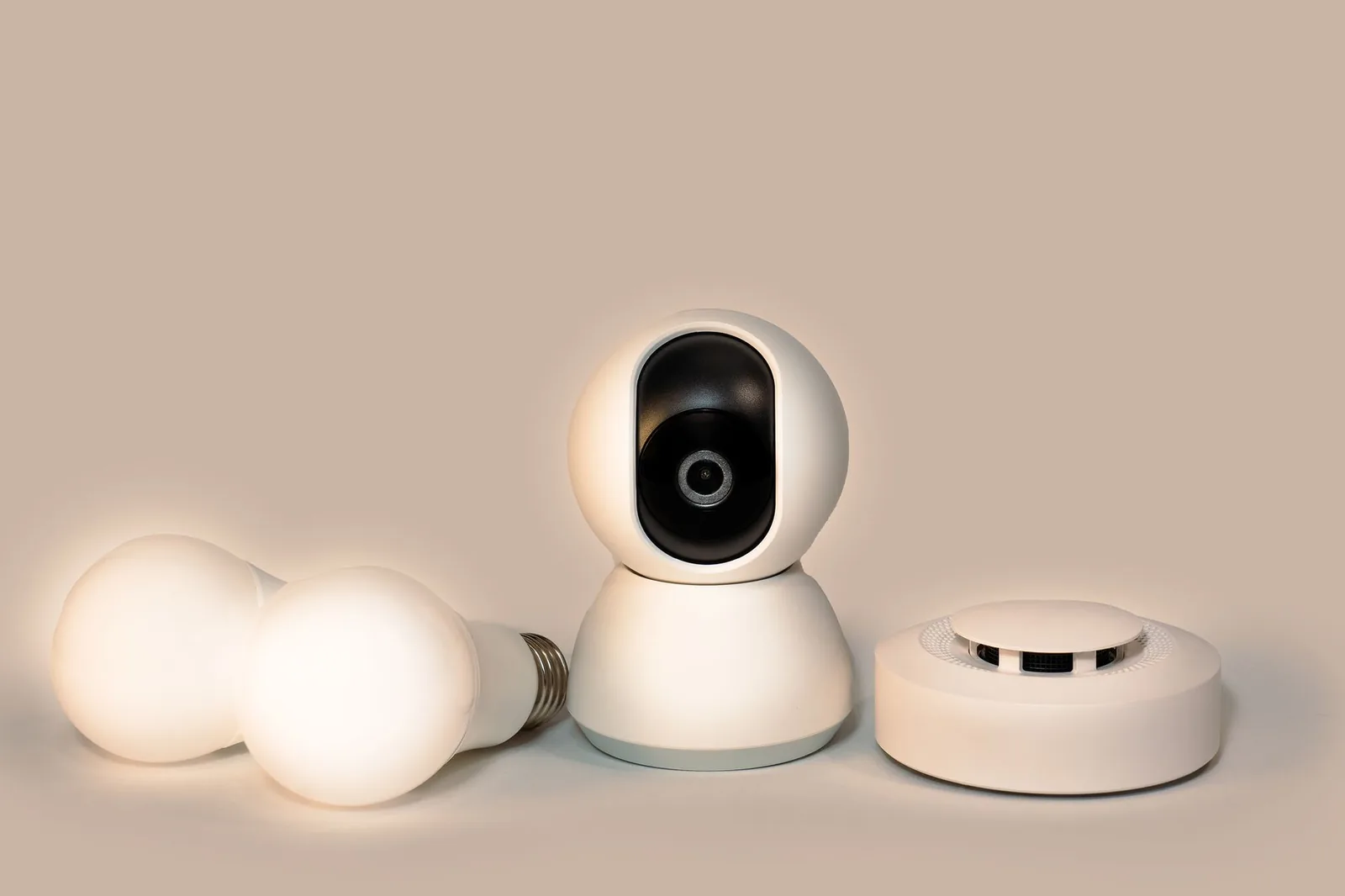
If a facility is unattended overnight, the only thing standing between a smoldering wire and a full structure fire is the building’s automatic systems. So those systems have to be real, not a single battery smoke detector chirping into an empty room.
The Three Systems That Actually Save Cats
Fire protection at a boarding facility comes down to three layers. The strongest facilities have all three, and each one covers a weakness in the others.
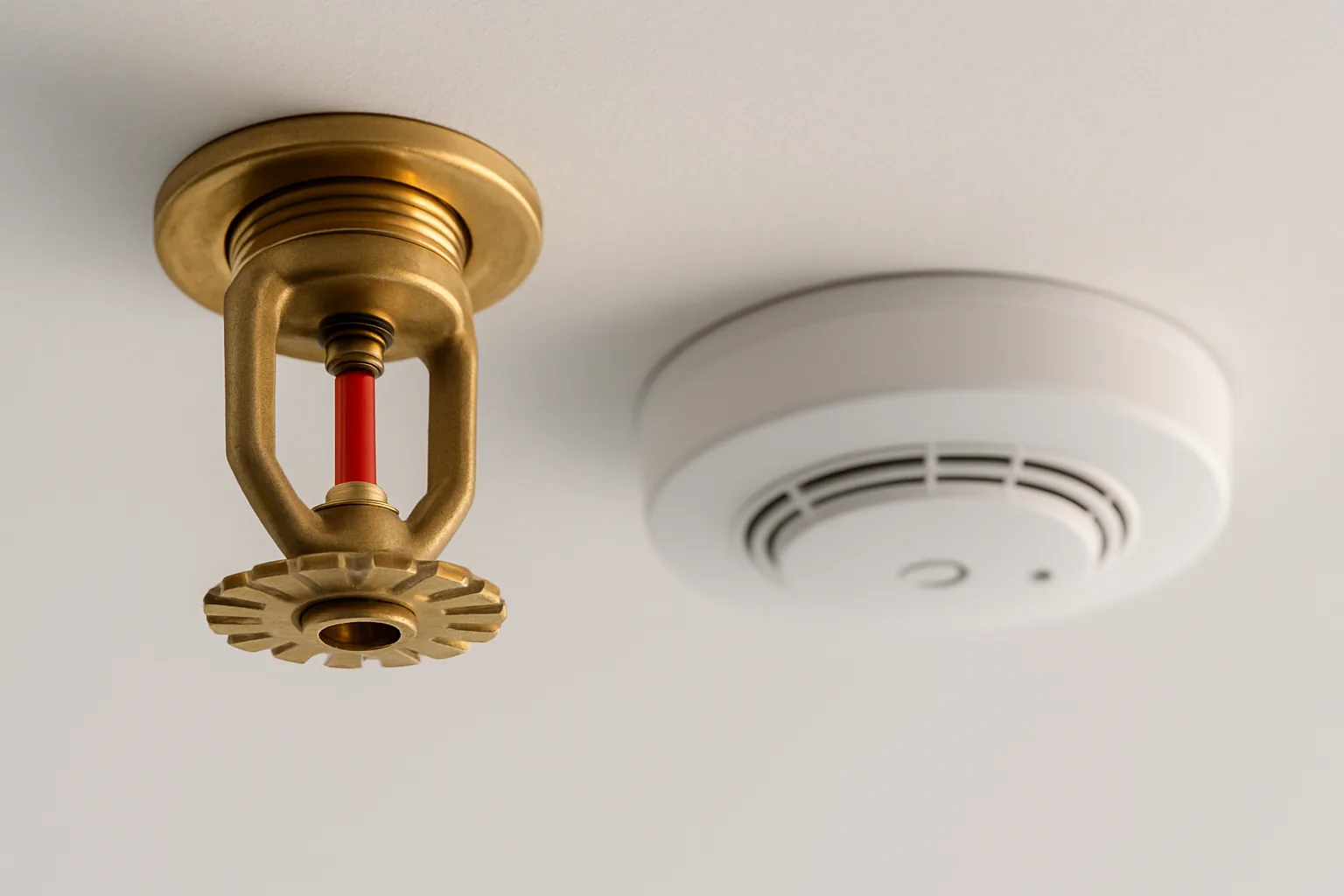
Detection with a monitored alarm. Detection is the first domino. The relevant national benchmark, NFPA 150 (the Fire and Life Safety in Animal Housing Facilities Code), calls for commercial grade detectors rather than consumer smoke alarms, manual pull stations at exits, and carbon monoxide detection where fuel burning appliances are present. The critical detail is monitoring. A local bell that only rings inside an empty building helps no one. The alarm has to transmit automatically to a central or remote monitoring station, which then calls the fire department, even when nobody is on site.
Automatic sprinklers. Detection tells you a fire started. A sprinkler actually fights it, suppressing the flames at the source within seconds, long before staff or firefighters could ever arrive. Some jurisdictions already require them. California’s fire code section for pet kennels and boarding facilities mandates an approved automatic sprinkler system, with only a narrow exception for facilities tied to a monitored alarm. Sprinklers are the single biggest predictor of whether animals survive an unattended fire.
A human on site. Overnight staffing closes the gap that hardware cannot. A person sleeping or working on the premises can call 911 at the first whiff of smoke, begin carrying cats out, and shut doors to slow the spread. Detection and sprinklers buy time; a present, trained human turns that time into rescued cats.
Good Standards Exist, but Adoption Is Patchy
Here is the frustrating part. The standards already exist. NFPA 150 classifies pet boarding under Category 6, “general board and care,” and spells out detection, alarm, egress, and suppression requirements for exactly this kind of facility. The problem is that NFPA 150 is a model code. It only carries legal force where a state, county, or city formally adopts it, and many have not.
Some places are catching up after tragedy. Following the Ponderosa fire, Georgetown amended its fire code to require alarms at all animal care facilities and sprinklers at new builds that cannot be staffed overnight, plus carbon monoxide detection. Nearby Austin adopted stricter measures of its own. But across much of the country there is no such guarantee, and a facility can be fully licensed for animal care while meeting almost no fire standard at all. That patchwork is precisely why the burden lands on you to ask.
Shared Walls and Strip Mall Risk
The Palms fire is a reminder that a cat hotel is only as safe as the building wrapped around it. That facility shared a common attic with neighboring businesses, and smoke traveled through it faster than anyone could respond. A storefront cattery in a multi tenant strip mall inherits the fire risk, and often the fire protection, of every other unit under the same roof.
A standalone, cat only building is far easier to protect and evacuate. If a facility you are considering shares walls, a roof, or an attic with other businesses, ask directly whether it controls its own sprinkler and alarm systems or depends on a landlord’s. The answer tells you a great deal.
An Evacuation Plan Built for Cats
Detection and sprinklers slow a fire down. Getting cats out the door is still a human job, and it needs a real plan. Ask whether carriers or crates are staged near the suites and labeled, so staff are not fumbling to catch frightened cats by hand in the dark. Ask how many people are on shift relative to the number of cats, because one person cannot carry forty cats out of a burning building. Ask whether the team has ever actually drilled an evacuation, and where the cats go once they are outside. A vague “we would get them out” is not a plan, it is a hope.
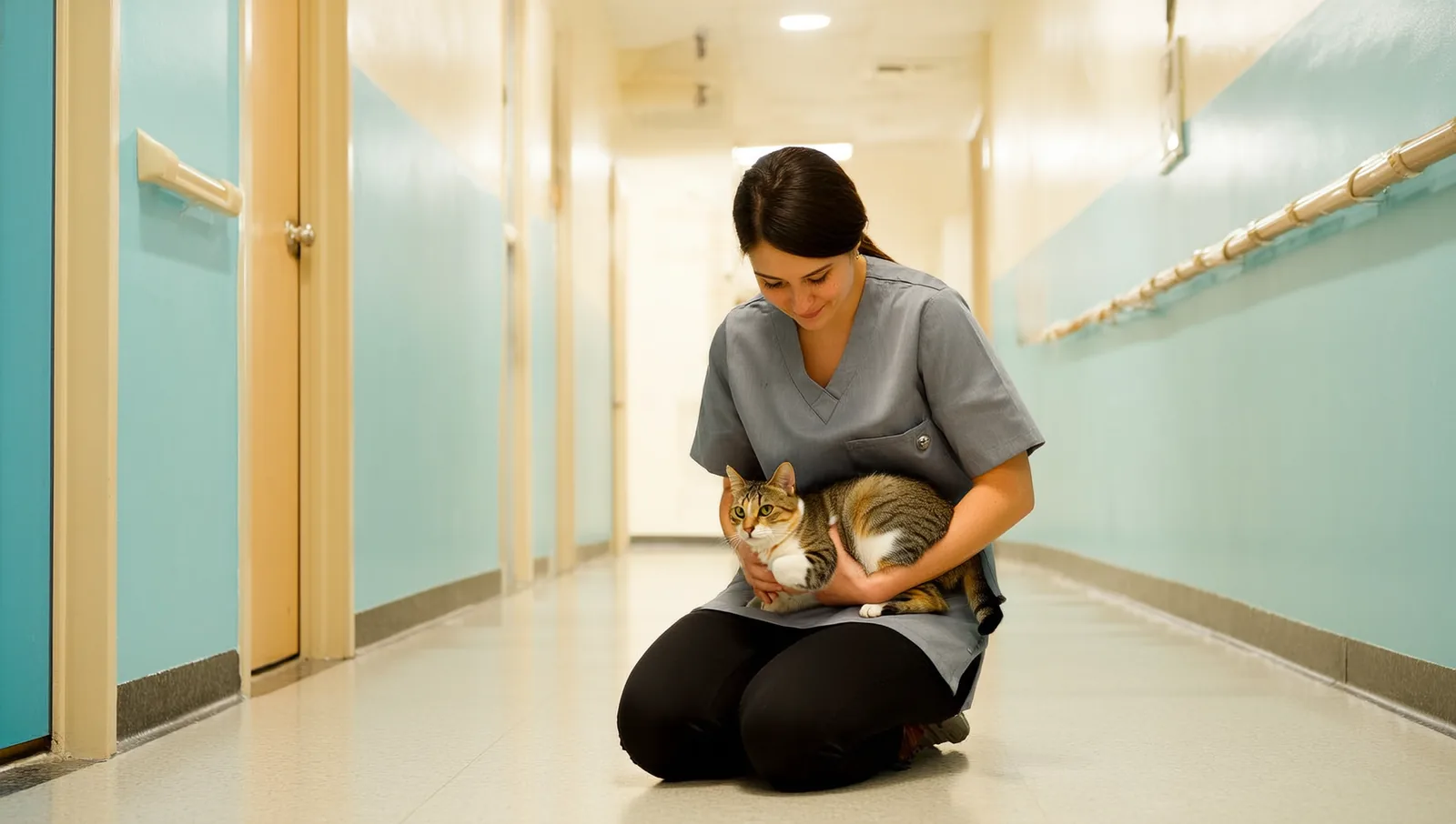
This matters even more for boarding a senior cat or any cat with limited mobility, since those animals are the slowest and most fragile to move in an emergency.
The Questions to Ask Before You Book
Use this as a direct gate check on a tour or phone call. A facility that takes safety seriously will answer without flinching.
- Is the building protected by an automatic fire sprinkler system?
- Is there a monitored fire alarm that notifies the fire department automatically, 24 hours a day, or does it only sound a local bell?
- Are smoke and heat detectors commercial grade and professionally installed, not battery units?
- Is the facility staffed overnight by someone on the premises, or is it empty after closing?
- If it is unattended overnight, what compensates for that (sprinklers, monitored alarm, remote cameras)?
- Is this a standalone cat building, or a shared unit with common walls and attic space?
- What is the written evacuation plan for the cats specifically? Who carries them, in what, and to where?
- How many staff are on shift relative to the number of cats, and have they drilled it?
- Are carriers staged and labeled for a fast evacuation?
- Does the facility meet local fire code, and has it been inspected?
If you are already building a tour checklist from our guide to choosing the right cat hotel, fold these ten questions straight into it. They pair naturally with the ventilation and protocol questions in our URI prevention guide, because the same operators who treat disease control as a system tend to treat fire the same way.
What You Can Do as an Owner
You cannot install a sprinkler in someone else’s building, but you can stack the odds. Favor cat only, standalone facilities that are sprinklered, alarm monitored, and staffed or supervised overnight. Send your cat with a carrier labeled with its name, and ask the facility to keep it near the suite. Make sure your emergency contact and your veterinarian are on file before drop off, and confirm how quickly the facility will reach you if something goes wrong. Operators who run a genuinely safe building, the kind described in our founder’s playbook on facility design, tend to welcome these questions rather than dodge them.
Fire safety is the rare boarding question that is invisible until the moment it is the only thing that matters. Ask it before you book, not after.
Further reading (sources)
- ABC7 Los Angeles reporting on the Palms strip mall fire that killed 17 boarded cats
- KVUE Defenders on the Ponderosa Pet Resort fire and the push to change overnight boarding fire codes
- Security Sales & Integration for suppression and detection requirements under NFPA 150
- NFPA with the animal housing facilities code and how it is developed
- CBS Austin covering stricter fire safety rules for pet boarding facilities after the fatal fire
- UpCodes on California’s sprinkler requirements for pet kennels and boarding facilities