In-Home Cat Sitter vs Cat Hotel: Which Is Actually Better for Your Cat?
Published on September 1, 2026
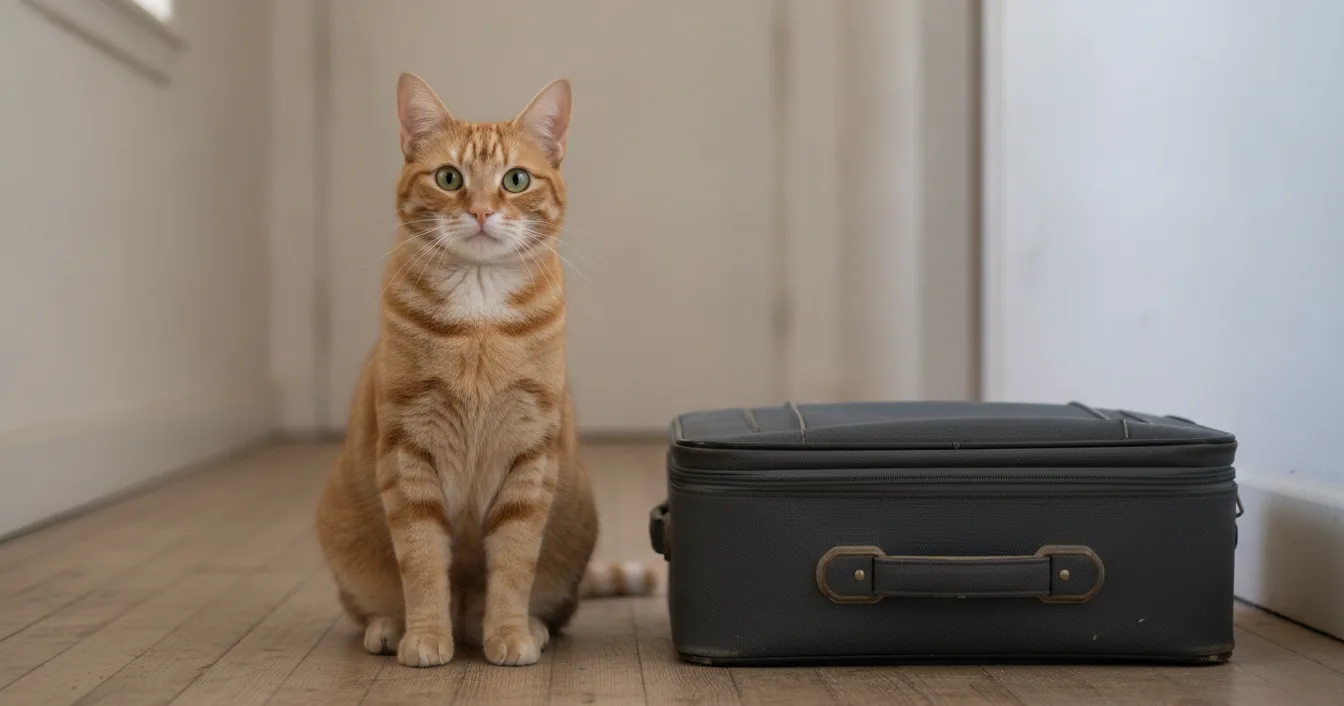
Pet sitting has quietly become an industry. Business Insider now runs buyer’s guides to the best housesitting and pet-sitting apps, Rover added cat sitting to a platform built for dogs, and platforms like TrustedHousesitters have turned “someone stays in your house and feeds the cat” into a bookable transaction with reviews and a rating. For a cat owner planning a week away, the old default of a boarding facility is no longer the only obvious answer.
The internet mostly answers this question with a slogan. Cats are territorial, so leave them home. That is true as far as it goes, and it is also the reason a lot of cats end up alone for twenty three hours a day with a problem nobody sees. The honest answer is that neither option is better in general. They fail in different ways, and the right choice depends on how long you are gone, what your cat’s body and temperament can absorb, and what your home looks like when you are not in it.
The Three Things You Are Actually Choosing Between
People say “sitter” and mean at least two different arrangements, which is where a lot of bad decisions start.
Drop-in visits. A sitter comes to your home once or twice a day for 20 to 45 minutes. They feed, scoop, refresh water, give medication if they are willing and able, play for a bit, and leave. Your cat is alone the rest of the time.
A live-in sitter or housesitter. Someone stays in your house overnight for the duration of the trip. On swap platforms this is often unpaid, with free accommodation as the trade. Coverage is far better, but you are also handing house keys to a stranger, and the sitter’s schedule during the day is their own.
A cat hotel. Your cat travels to a purpose-built facility, lives in a suite for the stay, and is observed by staff multiple times a day inside a building set up for cats.
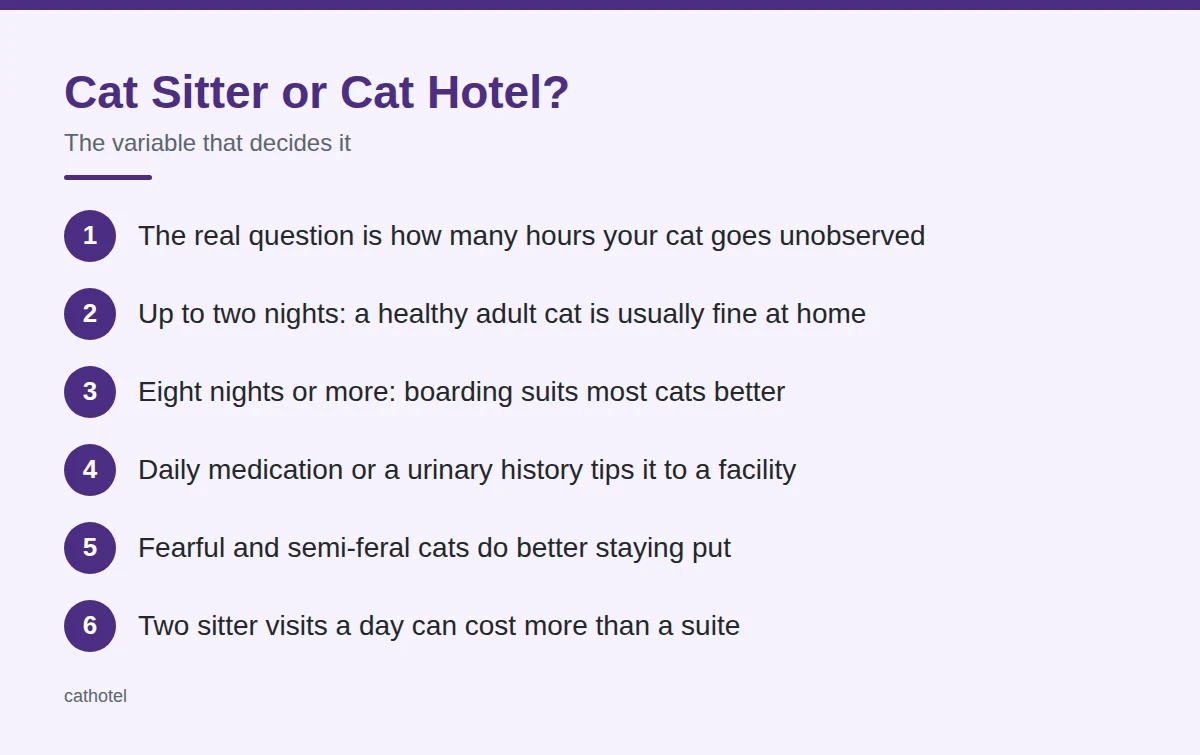
Compare those three honestly and the real variable jumps out. It is not luxury or price. It is how many hours a day your cat goes unobserved.
What Keeping Your Cat Home Genuinely Gets Right
The territorial argument is real and it is the strongest thing the sitter model has going for it. Cats map security onto place, not just onto people. A familiar territory is one your cat has already scent marked, already knows the escape routes of, and already has favored resting spots in. None of that transfers to a suite, however well designed.
Staying home also removes three specific stressors at once. There is no carrier and no car journey, which for many cats is the single worst part of any boarding stay. There is no new-environment acclimation period, which typically eats the first 24 to 72 hours of a boarding booking. And there is no exposure to other cats’ pathogens, which matters more than owners realize given how efficiently feline upper respiratory infection spreads in any shared-air environment.

Diet and litter continuity are free. The food is the food, in the same bowl, in the same corner. For a cat with a history of stress-driven appetite loss, that is not a small advantage.
Where the Sitter Model Quietly Fails
Every weakness of drop-in visits comes down to one number: the hours between visits.
On a twice-daily schedule, your cat is unobserved for roughly ten to fourteen hours at a stretch. Most of the time nothing happens. The problem is the small set of emergencies that are fatal on exactly that timescale. A male cat with a urethral obstruction goes from mildly uncomfortable to a medical emergency in a day, and untreated blockages kill within roughly 24 to 72 hours. A cat that stops eating can begin the metabolic slide toward hepatic lipidosis after two to three days without food, and a sitter who sees a full bowl once a day may not register that it is the same food from yesterday. Falls, foreign body ingestion, and getting shut in a closet all read the same way: fine at the last visit, discovered at the next.
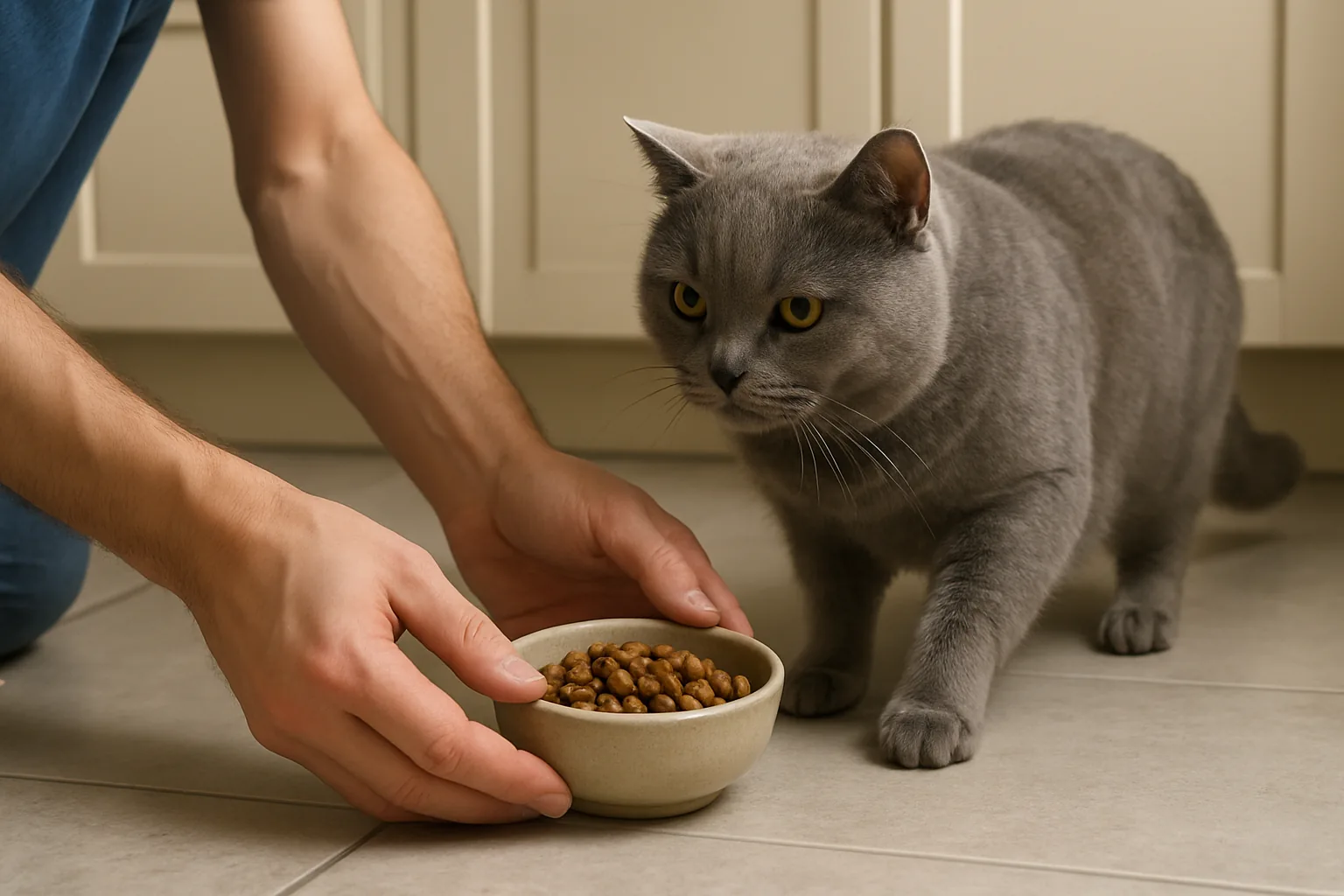
The second failure is coverage. A sitter is one person. If they get flu, have a car accident, or simply stop replying, there is often no backup, and you will find that out from four time zones away. Facilities have rotas.
The third is that pet sitting is largely unregulated. In most of the US no license is required to call yourself a pet sitter, and there is no standard for training, insurance, or bonding. Membership in Pet Sitters International or NAPPS, a background check, commercial liability insurance, and a written contract are all worth having, but you have to ask for each of them individually. A licensed boarding facility has already been inspected by someone.
There is a fourth risk nobody advertises. If your cat hides from strangers, a drop-in sitter may not lay eyes on the animal at all. Food disappearing and litter being used are indirect evidence. A sitter who reports “did not see her again today, but she is eating” has told you almost nothing about how the cat is doing.
What the Cat Hotel Gets Right, and What It Costs You
The core product a good cat hotel sells is not the suite. It is observation. Staff see your cat multiple times a day, know what a normal cat looks like across hundreds of stays, and are watching for exactly the early signals covered in our guide to reading feline stress and body language at boarding. Many facilities weigh cats on arrival and again mid-stay, log appetite and litter output daily, hold vaccination records for every animal on site, and have a standing relationship with a vet practice. Buildings are built to contain cats, which homes are not.
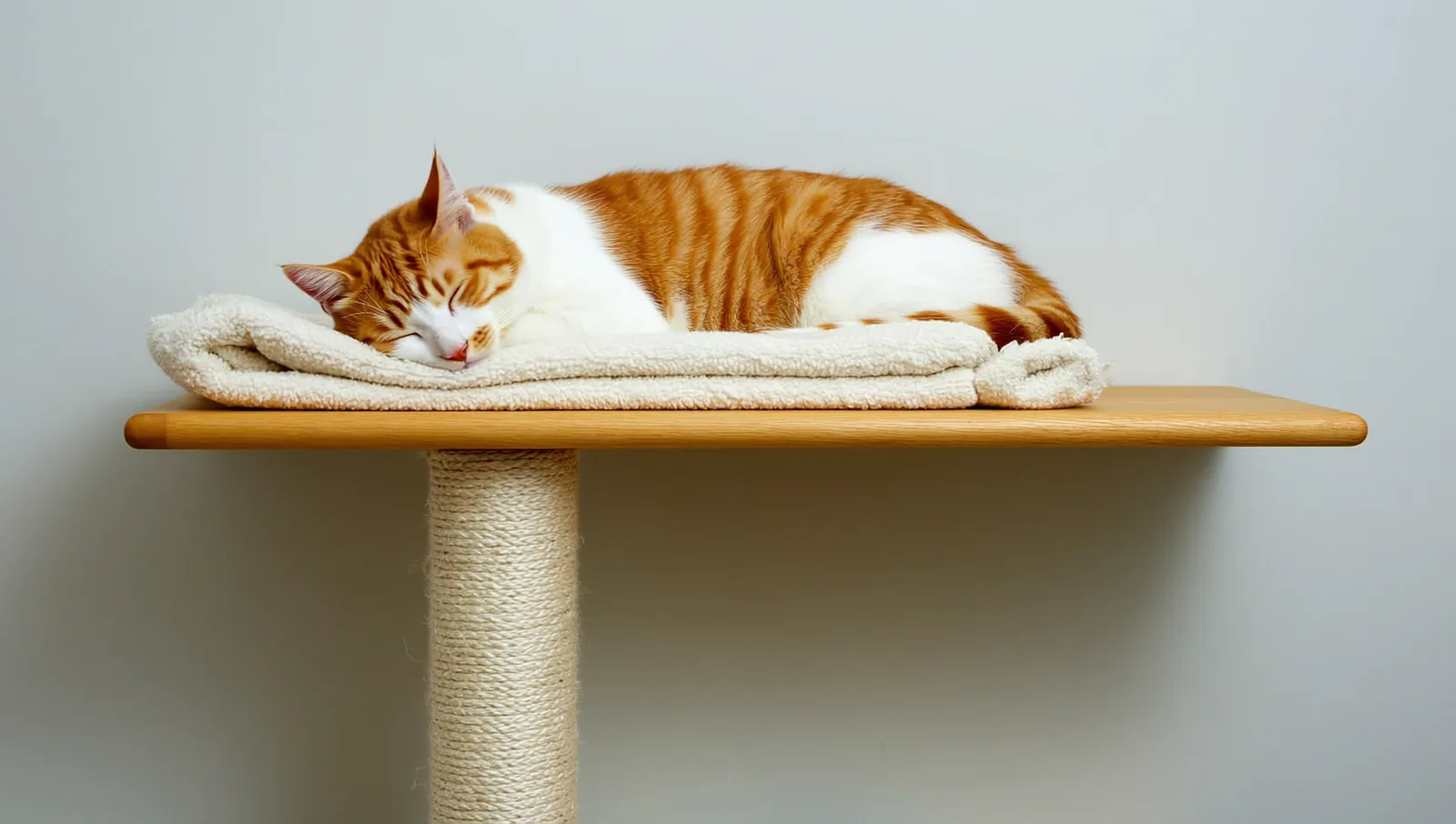
The cost side is equally real. Transport is stressful. The first day or two in a suite is a genuine adjustment. Communal air means exposure to other cats’ viruses, which is why vaccination rules and ventilation design matter so much. And some cats simply eat less in a strange room, a well documented problem worth understanding before you book.
Decide by Trip Length First
Trip length is the cleanest single filter, so start here.
Up to two nights. A healthy adult cat with a clean medical history is usually fine at home with one daily visit. This is the scenario the sitter model was built for.
Three to seven nights. The genuine toss-up zone. A confident, healthy, single-cat household leans sitter, ideally with two visits a day. A cat with any medical history, or one that hides from strangers, leans facility.
Eight nights and up. The balance shifts toward boarding for most cats, because the odds that something needs noticing rise with every day, and the odds a solo sitter’s own life stays uninterrupted fall. Long absences are also when cats most clearly register that a routine has been disrupted, rather than treating it as an extended day out. If your trip lands on a holiday, note that the facility decision has a deadline attached, since peak weeks sell out months ahead.
Decide by the Cat in Front of You
Board, in most cases, if your cat:
- Takes daily medication, especially insulin or anything on a fixed clock
- Is diabetic, hyperthyroid, or in chronic kidney disease
- Is a senior with mobility problems or a history of not eating, where the geriatric considerations run deeper
- Has ever had a urinary blockage
- Is a determined door-dasher, since a home has doors and a facility has airlocks
- Is a kitten under six months
Keep at home, in most cases, if your cat:
- Is a healthy adult with a stable weight and no medication
- Is genuinely fearful of handling or semi-feral, where transport plus a strange room is a bigger insult than solitude
- Is one of several cats in a settled group who will keep each other occupied
- Has boarded before and did badly, with a documented refusal to eat or a stress illness
The honest caveat: if your cat has a chronic condition, this is a conversation with your vet before it is a conversation with a sitter or a facility. They know what a bad 12 hours looks like for that specific animal.
Your Home Is Part of the Equation
A house that works for a cat with you in it may not work for a cat alone in it. Cats climb into open dryers, get shut into wardrobes by a closing door, chew cables, and knock over things that then block a litter tray. Balconies without proper netting, cords on blinds, houseplants that are toxic to cats, and interior doors that latch in a draft all become sharper hazards when the next human check is fourteen hours away. If your home has a second cat who bullies the first when nobody is refereeing, that is also a reason to reconsider.
The Money Is Closer Than People Expect
Owners often assume a sitter is the cheap option. Sometimes it is, and sometimes the arithmetic surprises them.
In the US, drop-in visits commonly run 20 to 35 dollars each. Two visits a day for a week lands around 280 to 490 dollars. Cat boarding at a mid-tier facility over the same week frequently sits below that, as our full breakdown of cat boarding prices sets out. The picture flips hard in multi-cat households and in markets where boarding is cheap: Malaysian reporting around the Raya travel peak found sitters charging from RM30 a visit against cat hotel rates starting near RM15 a day, which is why owners of six or eight cats there overwhelmingly choose sitters. One sitter visit covers the whole household. Boarding is priced per cat.
Housesitting swap platforms sit outside this maths entirely, trading accommodation for care rather than cash.
The Questions That Sort Good From Bad, Either Way
For a sitter, ask five things: Are you insured and bonded, and can I see the certificate? Who covers if you are sick? Will you send a dated photo of the cat, not just the bowl, at every visit? What is your protocol if the cat is hiding and you cannot see it? And do you have written authority to take my cat to my vet, with a spending limit agreed in advance?
For a facility, the questions are different but the spirit is the same, and our guide to choosing the right cat hotel walks through the full list. The one to lead with: who is on site overnight, and what happens at 2am?
Whichever way you go, the preparation that helps most is the same. Leave a written routine, not a verbal one. Leave your vet’s number and a signed treatment authorization. Leave more litter and food than the trip needs. And if you are boarding, send something that smells of home, because a familiar scent in an unfamiliar room does real work.
The choice is not sitter versus hotel. It is a clear-eyed reading of how much can go unnoticed in your particular cat, in your particular house, over the particular number of days you will be gone.
Further reading (sources)
- Business Insider on how the housesitting and pet-sitting platforms compare for owners and sitters
- PetMD for what the evidence says about cats noticing longer absences
- Free Malaysia Today with why multi-cat owners chose sitters over boarding for the Raya holidays
- Catster reviews how a housesitting swap platform works in practice
- GeekWire on the point the big dog-sitting platforms moved into cat care
- Cornell Feline Health Center for the feline health topics that turn a slow day into an emergency