Bordetella in Cats: The Kennel-Cough Bug That Crosses From Dogs, and Whether Your Boarding Cat Needs the Vaccine
Published on October 1, 2026
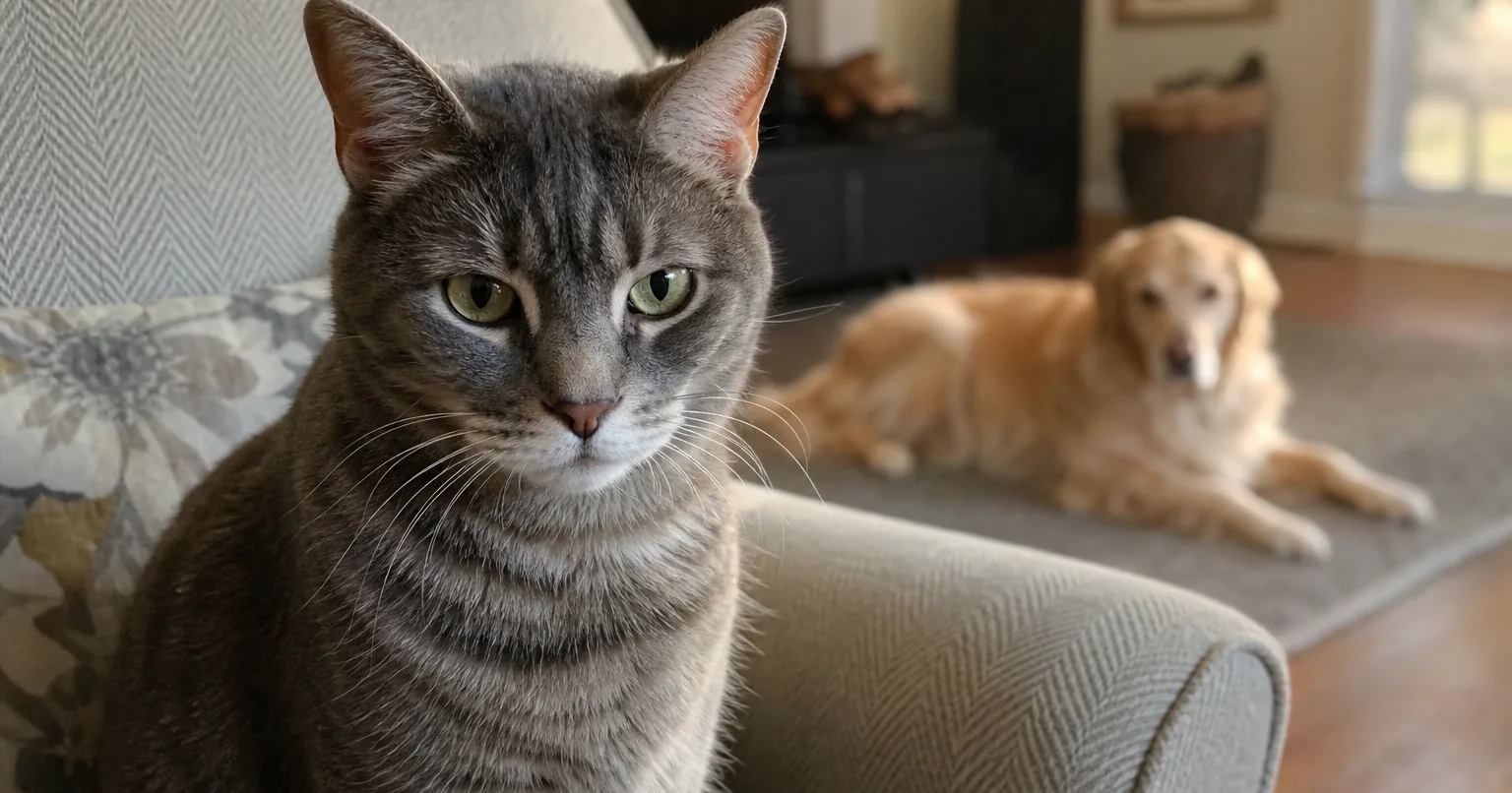
Ask most owners about kennel cough and they will describe a dog problem: the honking cough a dog brings home from a boarding kennel or a busy park. The bacterium behind much of it, Bordetella bronchiseptica, never agreed to stay on the dog side. It lives in the airways of dogs, cats, rabbits and pigs, it passes between species, and in cats it ranges from a forgettable sneezy week to a pneumonia that kills.
On one July day in 2020, four kittens from a large open-admission shelter in the United States, some already adopted and some still in its care, came into the shelter clinic struggling to breathe. Each had already been treated for a cat cold in the shelter’s isolation ward, and each had recovered on doxycycline, the standard first-choice antibiotic. By the end of the day, three had been euthanized. The cause was a strain of Bordetella that doxycycline could not touch. Shelter veterinarians Lisa Rodriguez and Elizabeth Berliner later wrote up the outbreak, and it is the clearest recent picture of what this bug does in a group of cats, with lessons for every cattery and every owner choosing where to board.
What Bordetella Is, and Why Cats Get It Too
Bordetella bronchiseptica is a bacterium, not a virus, and a close relative of the organism that causes whooping cough in people. It clings to the tiny hairlike cilia that sweep the airways clean, damages them, and can settle in for a long stay. In dogs it is one of the main bacteria in canine infectious respiratory disease complex, the syndrome everyone still calls kennel cough. In cats, the European Advisory Board on Cat Diseases (ABCD) classes it as a primary pathogen: it can cause disease by itself, without a virus opening the door first, and researchers have reproduced that disease in cats that carried nothing else.
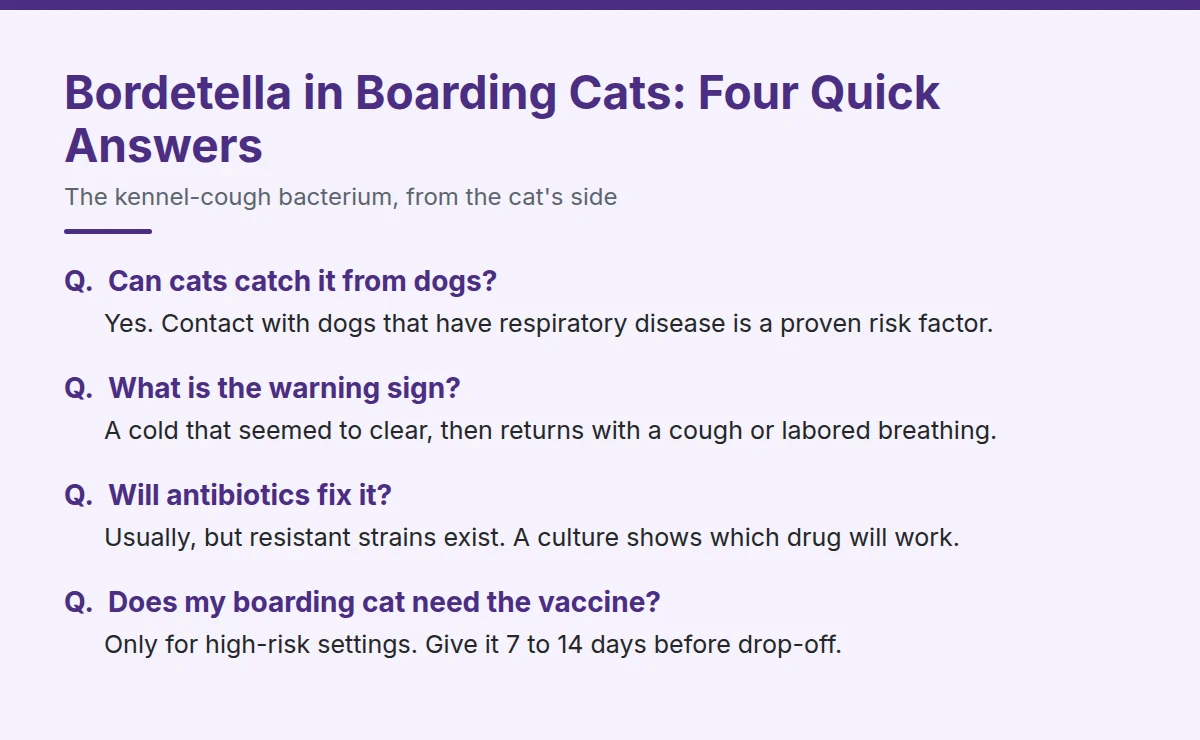
Most infected cats get a cold that looks like any other: sneezing, runny eyes and nose, a fever, swollen glands under the jaw. Two things set Bordetella apart. One is a cough, which is not part of the usual viral cat cold; the ABCD advises vets to consider Bordetella in any cat with a cough, new or long-standing. The other is its willingness to travel down into the lungs. Pneumonia is usually seen in kittens under 12 weeks old, though older cats can be affected. When a state diagnostic laboratory in Oklahoma reviewed 11 confirmed feline cases, coughing was the universal complaint, seven of the 11 were kittens younger than eight weeks, and seven of the cases were fatal.
How It Crosses Between Dogs and Cats
Infected cats shed the bacterium in secretions from the mouth and nose. Most spread is direct, from cat to cat, but discharges on hands, bowls and bedding can carry it too. The guidance differs on how long it survives on surfaces. The American Association of Feline Practitioners (AAFP) says it does not last long outside the body, while the ABCD assumes it is about as hardy as its whooping-cough cousin, which persists for more than ten days, and treats indirect spread as a given. Both agree on the useful part: common disinfectants kill it.
The dog connection is not folklore. The ABCD states that dog-to-cat transmission has been confirmed with molecular data. In a UK survey of 740 cats, Binns and colleagues isolated Bordetella from 11 percent overall, from 19.5 percent of cats in rescue catteries and from none of the ordinary household pets, and found a strong association with living in a household where a dog had recently had respiratory disease. A European study of 218 multi-cat premises by Helps and colleagues identified three risk factors for respiratory disease that will sound familiar to anyone who has seen a struggling cattery: less than excellent hygiene, contact with dogs that had respiratory disease, and larger numbers of cats.
The most vivid evidence comes from two California shelters, each in the middle of a kennel-cough outbreak among its dogs, studied by Foley and colleagues. At a no-kill shelter housing 40 dogs and 40 cats, 47 percent of the cats were culture-positive for Bordetella while two resident dogs were coughing; three months later, with no coughing dogs, that had fallen to 10 percent. At a larger traditional shelter, as kennel cough climbed to 19 new cases a week among 120 dogs, Bordetella turned up in 23 percent of the dogs and 47 percent of the cats, yet three to six months before the epidemic no dog or cat had tested positive. Genetic fingerprinting found almost no variety: all but one isolate, from dogs and cats alike, belonged to a single strain type.
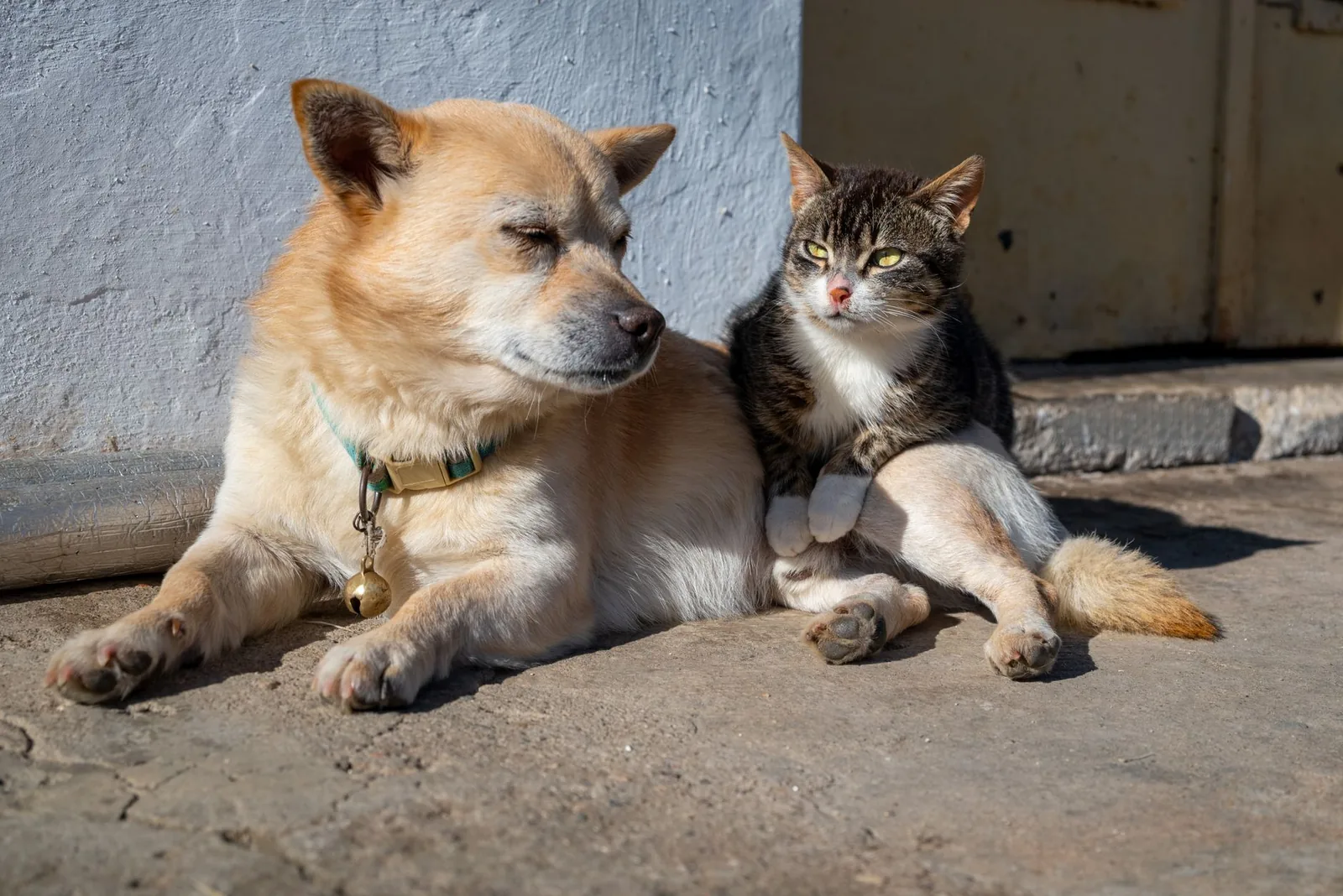
Two more facts make the dog link hard to manage. First, a kennel-cough vaccine does not stop a dog from carrying and shedding Bordetella. The International Society for Companion Animal Infectious Diseases (ISCAID) notes that vaccination makes dogs less sick but does not prevent colonization and shedding, so “all our dogs are vaccinated” is a statement about the dogs, not about the air your cat breathes. Second, cats become carriers. When Coutts and colleagues infected kittens experimentally, the kittens showed only mild signs but were still shedding the bacterium 19 weeks later, when the study ended, and a course of doxycycline did not stop two recovered kittens from shedding. Two queens from an infected colony, culture-negative in late pregnancy, began shedding after giving birth, which points to stress as a trigger for shedding. A cat that walks into a boarding facility looking perfectly healthy can still be carrying it.
Inside the Outbreak: What 16 Shelter Cats Showed
The four kittens were 2 to 4 months old, unrelated, and vaccinated on schedule, each with at least two doses of the standard FVRCP vaccine. Necropsies on two of them found 50 to 75 percent of the lung tissue consolidated. PCR on one found calicivirus, Bordetella and Mycoplasma felis together; a surviving kitten carried all three plus feline herpesvirus. Mixed infections like these are common in cat colds, which is part of why Bordetella is easy to miss.
Lung cultures from both necropsied kittens grew a single organism, Bordetella, with an identical resistance pattern. It resisted doxycycline, trimethoprim-sulfa, amikacin and two cephalosporins, showed intermediate susceptibility to gentamicin, and remained susceptible to several fluoroquinolones, chloramphenicol and imipenem. Nobody can be sure the earlier colds were the same infection, which is why the team counted any cat with respiratory signs and the right exposure as a possible case. But the pattern is the one to remember: colds that seemed to clear on the standard antibiotic, followed by lungs that failed.
That case definition turned up 12 more presumptive cases, including the probable first case: a three-month-old kitten seen a week earlier, treated with doxycycline and then azithromycin when its cold did not clear. In all, 16 cats aged 2 months to 2 years were affected, half of them needed inpatient care, and five died or were euthanized because of pneumonia, almost one in three. The other 11 recovered and were adopted. All four of the first kittens had been housed in a public-facing communal room, the eight-kennel isolation ward for respiratory cases, or both.
The outbreak was over in 26 days, and the steps that ended it are set out in the operator section below. One detail matters especially for catteries. Because pandemic restrictions had cut intake, the shelter was holding 64 cats against a physical capacity of about 70; over the same period in the previous three years it had held between 89 and 298. The authors think the lower population likely reduced the toll, which fits everything known about crowding and disease risk in cat boarding.
The Warning Pattern: A Cold That Comes Back With Breathing Trouble
Most cat colds, Bordetella included, are miserable but manageable. ISCAID notes that some cats with a thick nasal discharge that are still eating and alert recover within ten days without antibiotics, and it suggests antibiotics in that window only if fever, lethargy or a lost appetite appear. The outbreak pattern is different, and these are the signs that should change your plans:
- A cold that seemed to clear, then returns, or one that never fully clears after a course of antibiotics.
- A cough, or what looks like gagging. Cornell’s Feline Health Center notes that cats in respiratory distress may lower their heads, stretch forward and look as if they are about to vomit. Several of the outbreak cats were recorded as retching. It is easy to mistake for a hairball.
- Fast, labored or open-mouth breathing, or gums with a bluish tinge.
- Fever, lethargy or a lost appetite alongside the cold.
- Youth. A kitten under 12 weeks with any of the above is the highest-risk patient.
ISCAID advises that a cough accompanied by fever, lethargy, poor appetite or rapid breathing should be checked for pneumonia with an examination, blood tests and chest X-rays. Cornell’s advice on breathing trouble is blunter: a cat having difficulty breathing is at high risk of dying if it is not treated promptly, so get it to a vet right away. For a boarded cat, that means the facility calls a vet the same day, not at pickup.
Why a Culture Beats Another Round of Antibiotics
Doxycycline remains the right first choice for a cat cold that needs an antibiotic, and the outbreak authors say so plainly. ISCAID recommends it for seven to ten days because cats tolerate it well, it covers Chlamydia felis and Mycoplasma, and most feline Bordetella isolates are susceptible to it in the lab. Amoxicillin, by contrast, is ineffective against most Bordetella, and resistance to penicillins and cephalosporins is common. In the two California shelters, cat isolates were more likely to be resistant than dog isolates.
The trouble starts when the first drug fails and the reflex is to try a second, then a third, without finding out what is there. ISCAID recommends a fuller workup for any cat whose upper respiratory disease lasts more than ten days or fails treatment. When pneumonia is suspected, it recommends an airway sample, such as a transtracheal wash, for culture and susceptibility testing before antibiotics start, provided the cat is stable and treatment is not unduly delayed. A culture grows the organism and tests it against a panel of drugs. It is the only routine test that tells a vet which antibiotic will work.

Two caveats keep this honest. A culture from a nose swab is hard to read, because healthy cats carry plenty of bacteria in their noses, resistant ones included, so ISCAID advises against culturing nasal discharge in an ordinary acute cold. Bordetella grown from a deep airway sample in a cat with lung signs is a different matter; the ABCD treats that as the cause. And the PCR panel most clinics send off for a sneezing cat shows which organisms are present but says nothing about resistance, and it can detect vaccine strains for a while after vaccination. Our guide to lab tests in cat boarding explains what each test can and cannot tell you.
In the shelter outbreak, the decisive samples came from necropsy. Lung tissue from two kittens that had been euthanized revealed the resistance pattern, which let the team move every remaining case onto a fluoroquinolone rather than cycling through drugs that would not work. That order of events, culture first and the reserved drug second, is what ISCAID asks for: it holds fluoroquinolones back for cases where susceptibility results support them and the usual drugs are not an option.
One limit remains. Antibiotics treat illness, not carriage. The ABCD notes that treating recovered carriers has little effect on shedding, which matches the experimental kittens that kept shedding through their doxycycline.
Does Your Boarding Cat Need the Bordetella Vaccine?
For most cats, no, and both major feline guideline bodies agree. The AAFP and the ABCD class the Bordetella vaccine as non-core, because the infection usually causes only mild disease. It is not a dog vaccine borrowed for cats: the feline product is a live, weakened (attenuated) vaccine given as drops into the nose, as a single dose with annual boosters, and in the US it is labeled for kittens over 4 weeks old. In challenge trials run by a vaccine manufacturer’s researchers, vaccinated kittens were protected as early as 72 hours after the dose and were still protected 12 months later, with average clinical scores under 1 against almost 10 for unvaccinated cats. The AAFP notes that some vaccinated kittens still showed mild signs after challenge, and that nobody has shown whether vaccination limits carrier shedding.
The guidelines reserve it for higher-risk situations:
- Cats living in or moving into a crowded group, such as a shelter or rescue, where Bordetella disease has been confirmed.
- Cats in homes or facilities that house dogs with confirmed Bordetella infection.
- Cats about to enter a boarding or rescue cattery with a history of Bordetella, or going to a cat show. The ABCD says boosters are preferably given before those events.
Translated to boarding: if your cat stays at a cat-only facility with its own air supply and no Bordetella history, the guidelines give no reason to vaccinate. If your cat boards somewhere cats share air, staff or a building with dog kennels, or where cases have been confirmed, it is worth raising with your vet. Some facilities require it outright, and our cat boarding vaccinations guide covers how those requirements and proof of vaccination work.
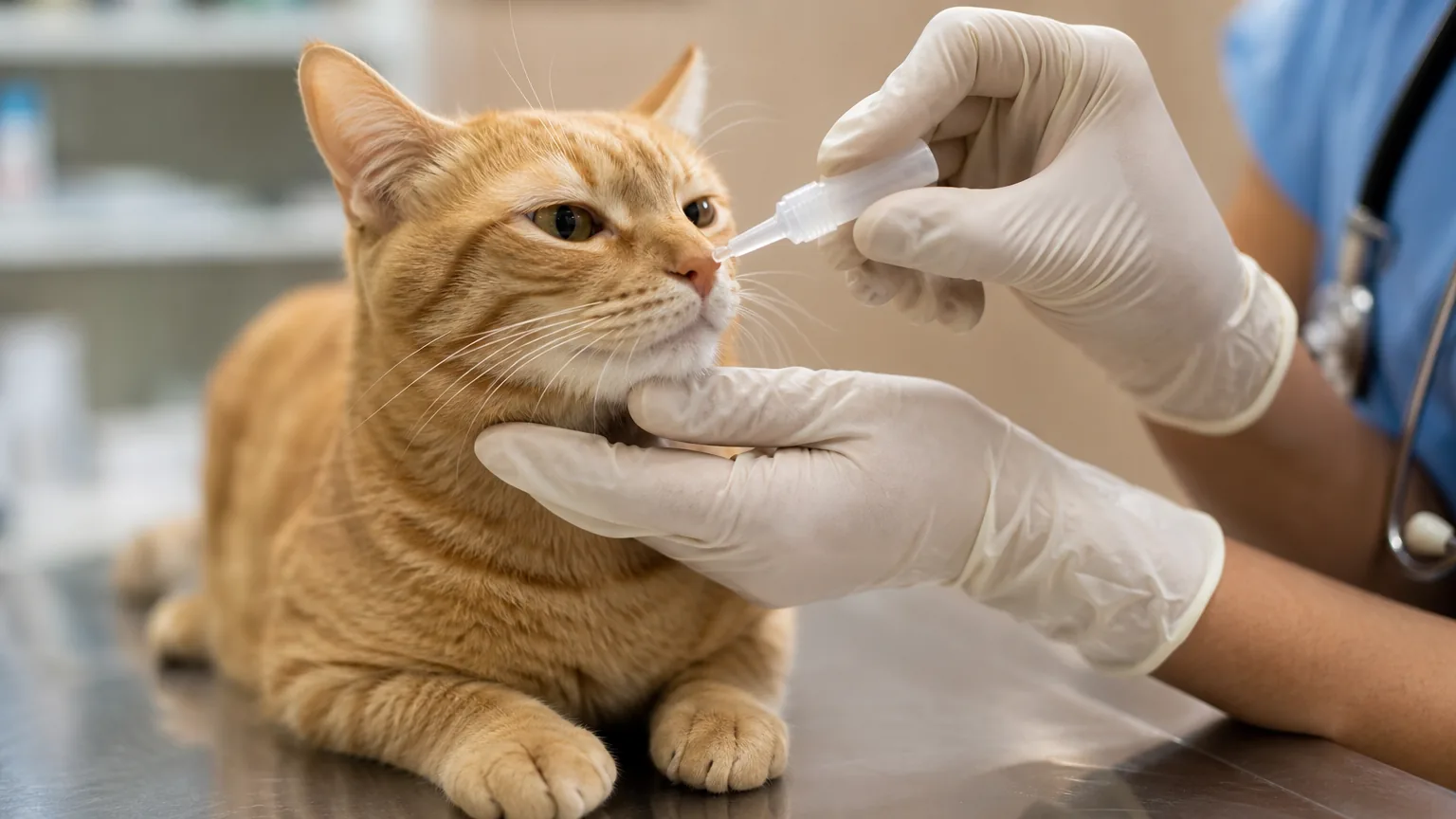
If you do vaccinate, timing matters more than with most vaccines:
- Give it well before drop-off. The vaccine can cause sneezing and nasal discharge, which usually clear on their own, but a cat that arrives sneezing may be isolated or turned away. Immunity starts within days; the sneezing is the reason to vaccinate 7 to 14 days ahead rather than the day before.
- Keep it clear of antibiotics. The vaccine contains live bacteria, so antibiotics undo it. The ABCD warns that it will not work in a cat already on antibiotics or about to start them, and the AAFP advises repeating the dose if antibiotics are given within a week of vaccination. A cat still on treatment for a cold should finish the course first.
- Consider who the cat lives with. Vaccinated cats may shed the vaccine strain for anywhere from six weeks to, rarely, a year, according to manufacturer data. Both bodies advise against vaccinating cats in close contact with immunocompromised people, and the ABCD does not recommend vaccinating immunocompromised cats.
- Never a dog product. The AAFP is explicit that Bordetella vaccines made for dogs should never be given to cats, a point worth confirming at a mixed facility that stocks the canine version.
The Better Protection Is Separate Air
Put the evidence together and the vaccine looks like a second line of defense. Vaccinated dogs still shed. Recovered cats can carry the bacterium for months without looking ill. Cattery risk rises with sick dogs, weak hygiene and crowding. The most reliable protection is for cats never to share air, hands or equipment with dogs at all, which is a large part of the case for cat-only boarding.
If you are weighing up a mixed facility, ask:
- Does the cat area have its own air handling, or does it share a system with the dog kennels?
- Do staff care for the cats before the dogs, or change gowns and wash their hands between the two?
- Are bowls, bedding and laundry kept separate from the dog side?
- Where does a coughing dog go, and where does a sneezing cat go? The answer should not be the same room.
- Has the facility ever confirmed Bordetella in a cat, and does it require or recommend the vaccine?
A cat-only facility removes the canine source but not spread between cats, so intake checks, isolation and cleaning order still matter. Our URI prevention guide covers those. Lower stress helps against every respiratory bug, too, so pack a blanket that smells of home.
For Operators: When Coughing or Pneumonia Turns Up
A single sneezy boarder is routine. Two coughing cats, a cat with labored breathing, or a cold that returns after doxycycline is not. Treat that as a possible outbreak and call your vet. The shelter’s response translates almost step for step:
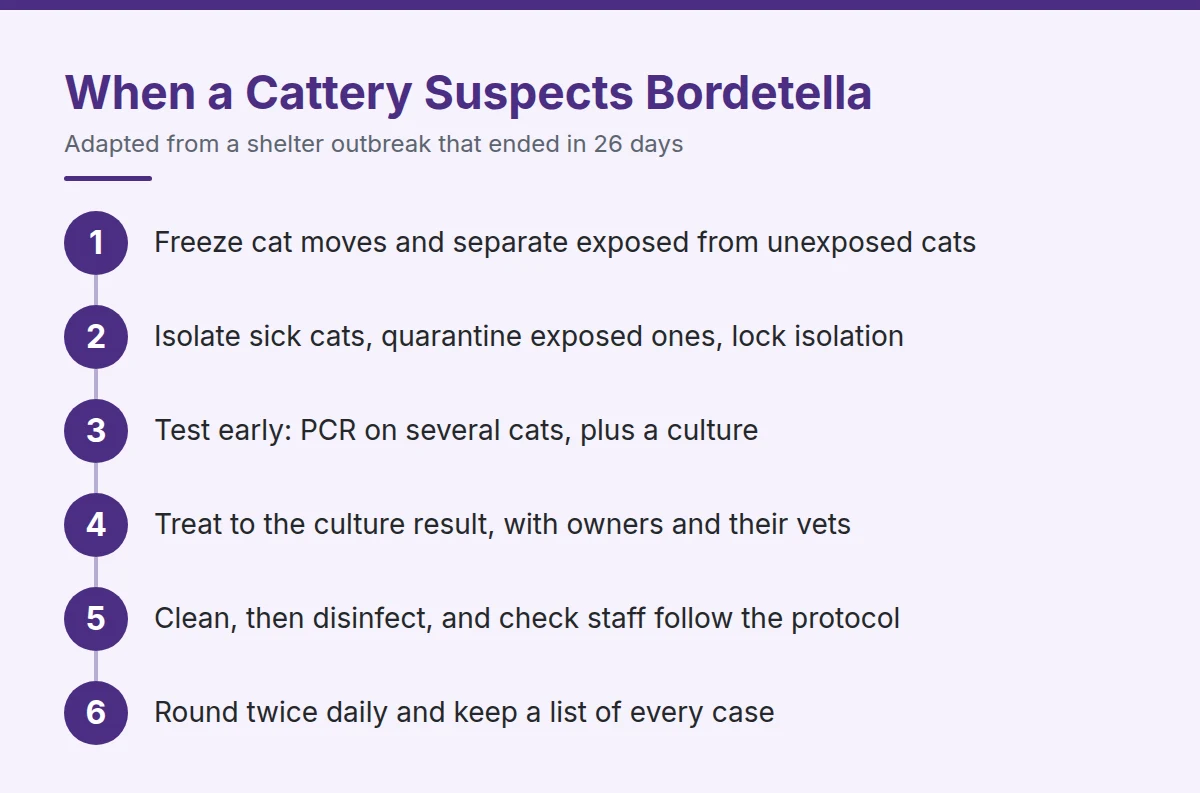
- Stop moving cats. Freeze transfers in and out of affected rooms and draw a clean line between exposed and unexposed cats. New arrivals should not join the exposed group.
- Isolate and quarantine. Sick cats go to isolation; exposed cats that look well are quarantined and watched. Keep isolation locked to anyone who does not need to be there, and do not store food, litter or clean laundry inside it. The shelter found supplies stored in its isolation room and removed them.
- Test early, and test more than one cat. ISCAID notes that sampling several affected cats makes PCR results more reliable. Ask your vet for culture and susceptibility testing as well. If a cat dies, a necropsy is more likely than any swab to give a conclusive answer.
- Treat to the culture, not to habit. In boarding, that means the owners and their vets are part of every treatment decision.
- Clean, then disinfect, and check compliance. The shelter deep-cleaned every room with a two-step clean and disinfect using accelerated hydrogen peroxide. Its written protocols turned out to be sound; the work was making sure staff actually followed them.
- Vaccinate exposed healthy cats if your vet advises it, and only with the owners’ consent. The shelter did so five days in. Four unaffected high-risk cats were vaccinated and none fell ill, while one other vaccinated cat developed mild signs; numbers that small prove nothing either way.
- Double your rounds and keep a case list. The shelter moved to twice-daily rounds in every cat room and applied its case definition to every cat with signs and exposure.
One step a shelter does not need: tell owners, including those whose cats have already gone home, so their own vets know what to look for.
The Short Version
Bordetella is the kennel-cough bacterium, and it does cross from dogs to cats. Most infected cats get a cold they shake off. The ones to worry about are young kittens and any cat whose cold comes back with a cough or labored breathing, and for those a culture, not another guess, should decide the treatment. The vaccine is a reasonable add-on for cats heading into high-risk groups or facilities with a Bordetella history, given early and away from antibiotics. For most boarding cats, the better protection is a facility where cats and dogs never share the air. If your cat has a chronic respiratory condition, talk to your vet before booking any stay.
Further reading (sources)
- Rodriguez and Berliner on managing a multidrug-resistant Bordetella outbreak in 16 shelter cats
- Foley and colleagues for Bordetella in cats during kennel-cough outbreaks at two California shelters
- Binns and colleagues with the UK survey linking feline infection to dogs with recent respiratory disease
- Helps and colleagues on respiratory disease risk factors across 218 European multi-cat premises
- Coutts and colleagues for 19 weeks of shedding after infection, and why doxycycline did not end it
- Welsh on eleven confirmed feline cases, most of them young kittens
- Williams and colleagues with challenge trials of an intranasal Bordetella vaccine for cats
- Lappin and colleagues for ISCAID covering antimicrobial guidelines for respiratory disease in dogs and cats
- European Advisory Board on Cat Diseases on its Bordetella guideline, from transmission to vaccine use
- American Association of Feline Practitioners for its disease fact sheet on Bordetella and the feline vaccine
- Cornell Feline Health Center on recognizing breathing difficulty in cats