Toothache or Boarding Stress? Why Hidden Dental Disease Surfaces at the Cattery, and What a Pre-Boarding Mouth Check Catches
Published on November 5, 2026
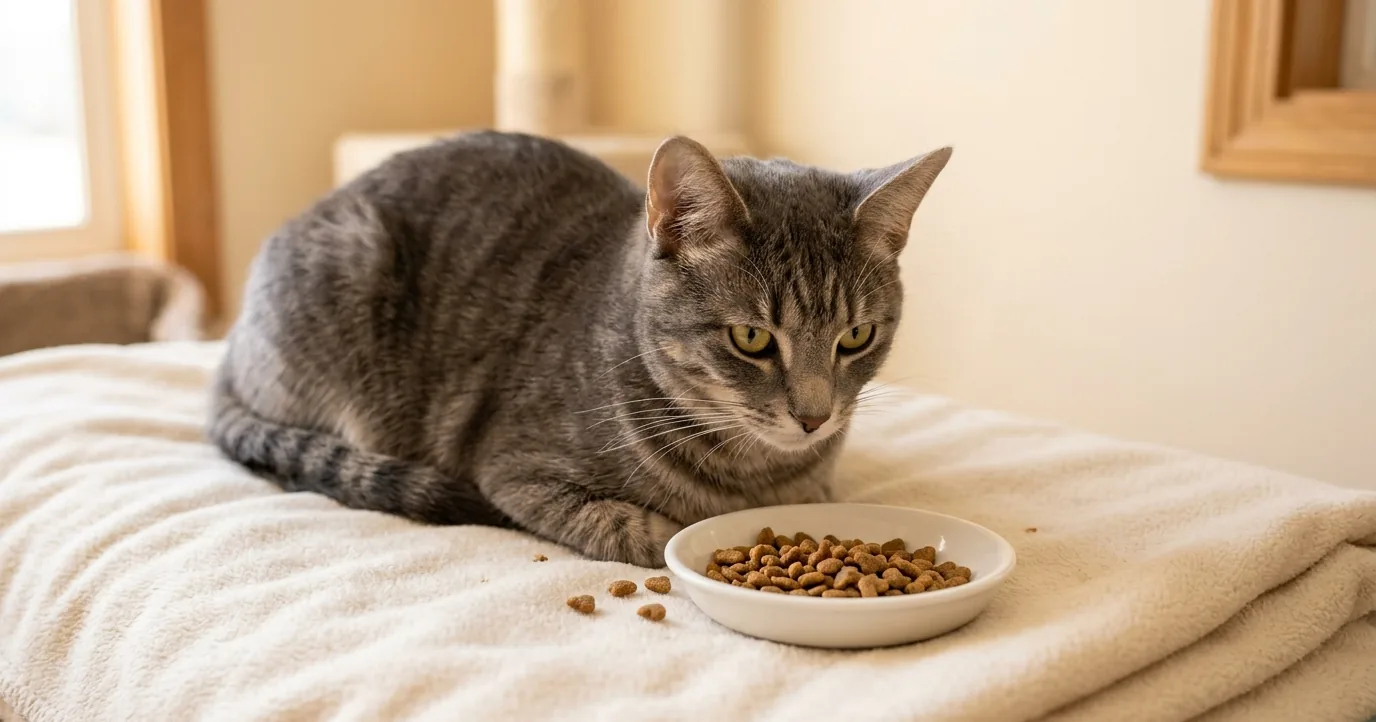
The call from the cattery comes on day three, and it is not quite a complaint. Your cat is eating, the attendant says, but oddly. It walks up to the bowl keen enough, takes a mouthful of biscuits, drops half of them on the floor and walks away. Or it finishes the wet food and leaves every piece of dry. You have never seen it do that at home. Is it nerves?
Sometimes. But a cat that eats strangely in a strange place is often telling you about its mouth. Dental disease is among the most common conditions vets diagnose in cats, and cats are very good at hiding the pain it causes. A boarding stay changes the food, the routine and who is watching, all at once, and that is often the first time anyone notices. This guide explains why, how to tell mouth pain from boarding stress, what a vet’s mouth check before a long stay should cover, how cattery staff should record and escalate what they see, and why a cat that comes home “fussy” may need a dental appointment rather than a new food. It draws on the 2025 oral health and dental care guidelines from the Feline Veterinary Medical Association (FelineVMA, formerly the AAFP), which our roundup of feline veterinary guidelines for catteries puts in context.
A Common Disease That Cats Are Built to Hide
Periodontal disease, the gum disease that starts as gingivitis and ends in loose teeth and lost bone, is the most common specific diagnosis in cats seen by UK vets. When O’Neill and colleagues at the Royal Veterinary College sampled the records of 18,249 cats under primary veterinary care in the UK, 15.2 percent had periodontal disease recorded in a single year. Age was the strongest predictor: affected cats had a median age of about nine and a half, against about five for the rest. Siamese (18.7 percent) and Maine Coons (16.7 percent) were among the breeds with the highest rates.
A diagnosis in a clinic record is the floor, not the true figure. When vets scored the mouths of cats in the Bristol Cats study, gingivitis rose from 24.5 percent of cats under a year old to 56.3 percent of cats aged five to six. Tooth resorption, in which a tooth is broken down from within, turns up in 28.5 to 67 percent of cats depending on the study, according to the FelineVMA guidelines, and becomes more common with age. Chronic gingivostomatitis is rarer, found in 0.7 percent of cats in a study of UK first-opinion practices, but International Cat Care calls it extremely painful.
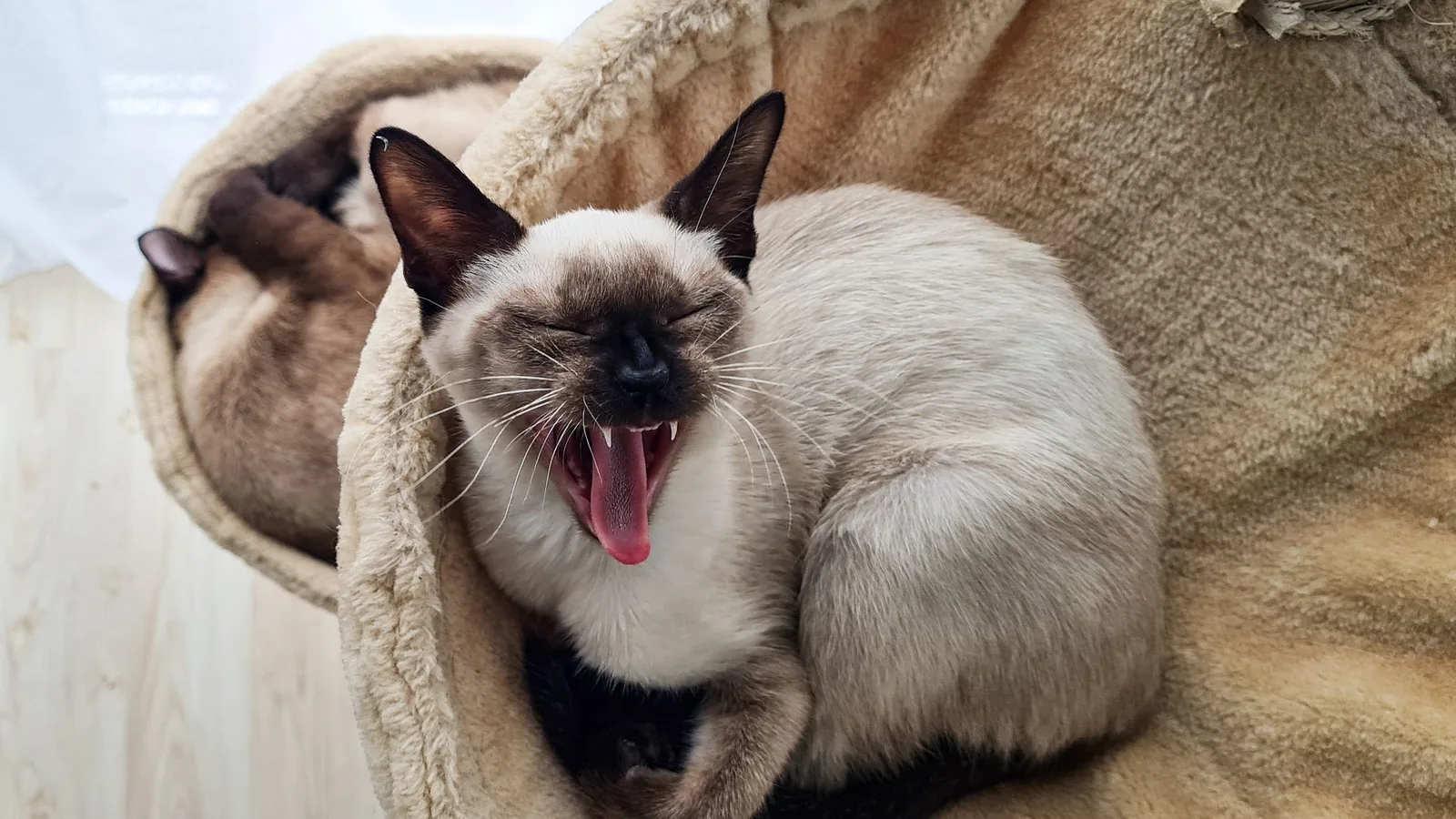
The pain rarely announces itself. The FelineVMA guidelines put it plainly: cats “have retained a strong survival instinct to conceal illness and pain.” They also warn that a change in appetite is an uncommon finding in cats with oral and dental disease, so a normal appetite does not always mean a healthy mouth. Cats Protection tells owners the same thing. A cat with dental trouble may seem happy and relaxed and may even be eating and drinking normally, and owners are often shocked by how severe the problems turn out to be. The guidelines suggest watching for changes during ordinary moments instead: eating, drinking, grooming and even yawning, one of the few times you get a look inside.
Why the Cattery Is Where It Shows
Boarding does not cause dental disease. What it does is change three things at once.
The food can change. If the cattery serves its own dry food and your cat mostly eats wet food at home, the switch can expose a mouth that soft food had been protecting. Jennifer Rawlinson, a former chief of dentistry and oral surgery at Cornell’s veterinary college, says one of the first signs of several resorptive lesions is a cat that “suddenly develops a preference for soft food,” and many owners read that as taste, not pain. A trial of 24 cats at the University of Montreal’s veterinary teaching hospital shows how wide the gap can be. Before any treatment, cats with severe oral disease ate 28 percent of a dry meal in the first three minutes, against 77 percent for cats with minimal disease, and 64 percent against 95 percent over two hours. Their soft food intake was not significantly different. This is one more reason to pack your cat’s usual food: England’s licensing rules require catteries to follow the diet agreed with the owner and to introduce any new food gradually.
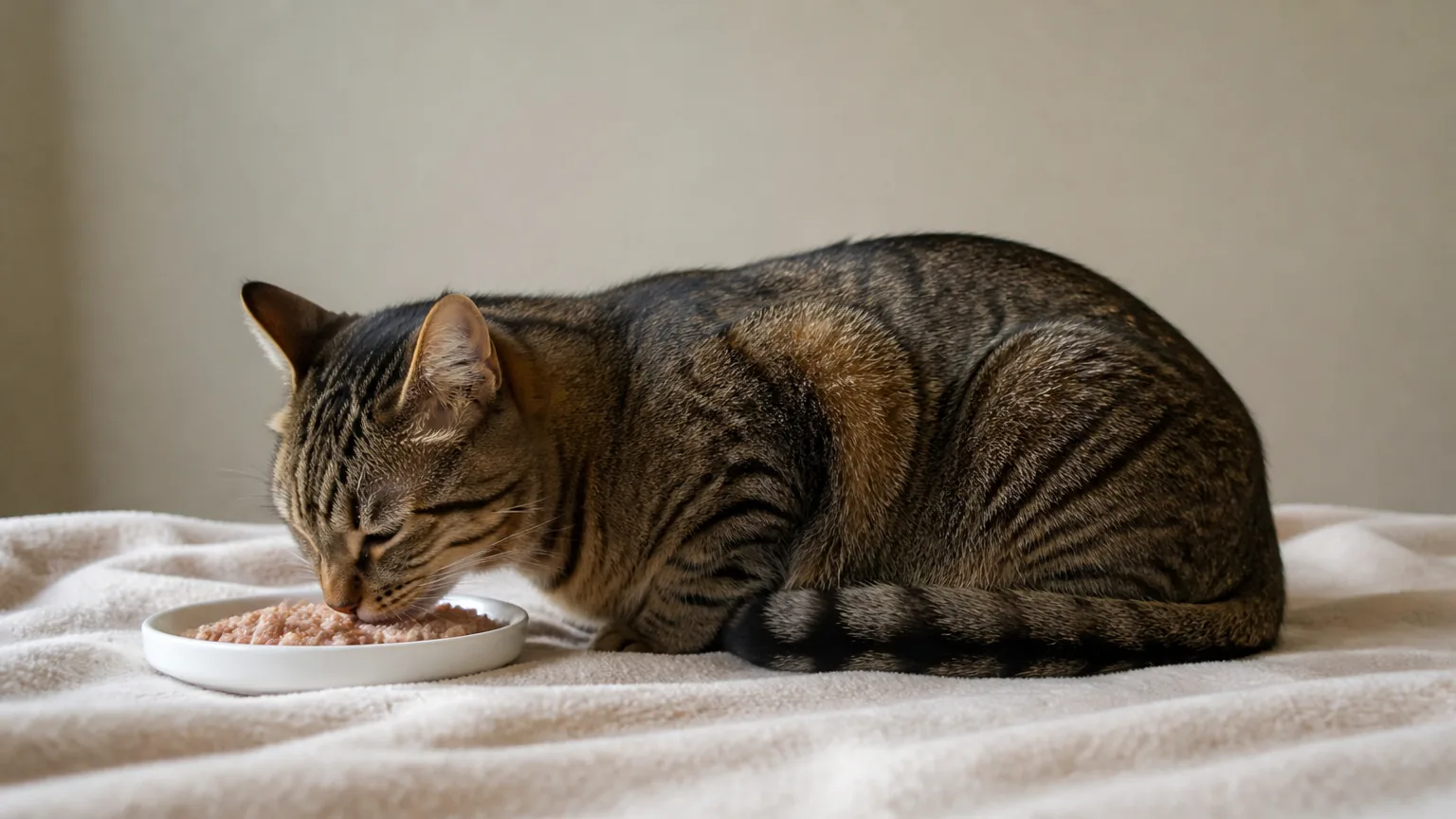
The routine changes. At home, many cats graze from a bowl that gets topped up when it looks low, and nobody watches each mouthful. England’s rules require at least two meals a day, at least eight hours apart, with intake monitored and any problems recorded. At a cattery, a meal goes down, someone sees how it is eaten, and the leftovers are noted.
Someone is watching. Cattery staff must be able to recognise signs of pain, and every cat must be checked at least daily, with any signs recorded and a vet’s advice sought. An attendant who sees a cat drop food, chew on one side or paw at its face is seeing something the owner of a grazing cat rarely does.
Timing plays a part too. Rawlinson notes that when a tooth weakened by resorption loses its crown, a cat may go off its food for 24 to 72 hours. Midway through a stay, that looks exactly like boarding nerves.
For a few cats, stress can set off mouth pain directly. Feline orofacial pain syndrome is a suspected nerve pain condition, seen mostly in Burmese cats, that causes exaggerated licking and chewing, pawing at the mouth and, in bad cases, injury to the tongue. In Rusbridge and colleagues’ study of 113 cases, about one cat in five had episodes that could be linked directly to a situation causing anxiety, and a cattery stay was among the events named. Most of the cats (63 percent) also had a history of oral lesions, so the teeth still matter. If your Burmese has ever shown these signs, tell your vet and the cattery before you book.
Toothache or Boarding Stress? How to Tell Them Apart
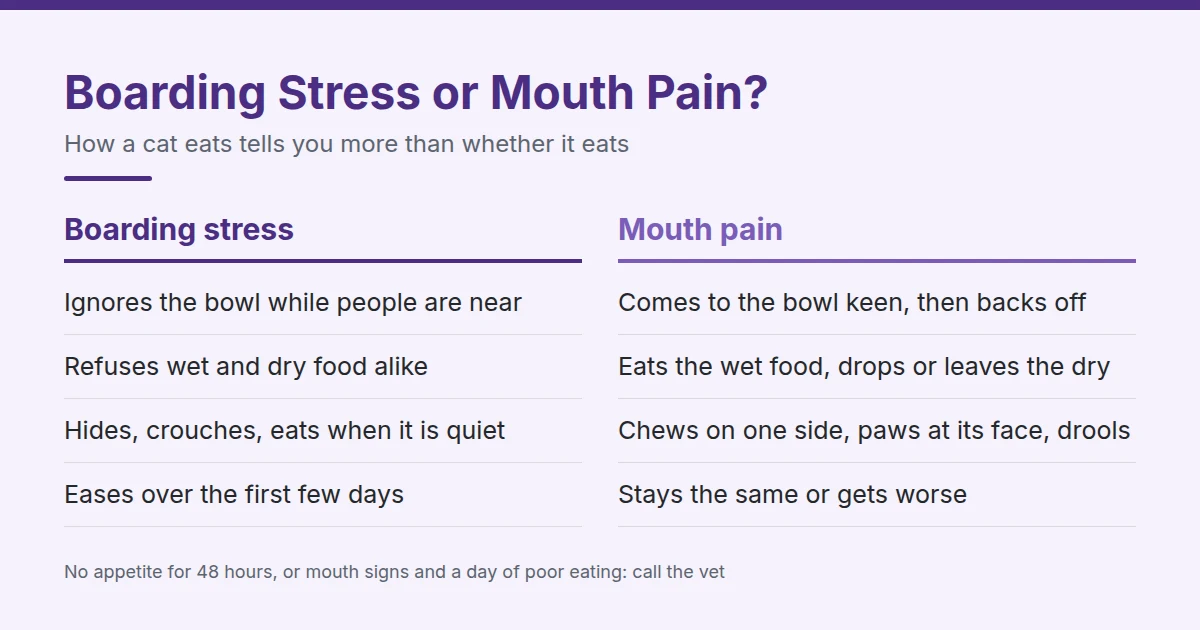
Stress and pain can both leave food in the bowl, and they often arrive together. The ISFM’s guidelines on hospitalized cats that will not eat note that stress in an unfamiliar hospital can reduce how much a cat eats, and list pain alongside stress and nausea among the factors to control so that a cat will eat on its own. No single sign settles it. The pattern does: how the cat behaves at the bowl, which food it refuses, and how things change as the stay goes on.
Boarding stress usually looks like this:
- The cat ignores the bowl, or will not go near it while anyone is in the room.
- Wet and dry food are refused alike.
- It hides, crouches, or shows the other signals in our guide to reading feline stress signals at boarding.
- It eats more when the corridor is quiet, often overnight.
- It improves over the first few days. In Kessler and Turner’s study of 140 cats on a two-week stay, stress fell over the fortnight, with a pronounced drop in the first days. About a third stayed fairly tense into the second week, and for 4 percent it never fell at all.
Mouth pain usually looks like this:
- The cat comes to the bowl keen, then stops, backs off or eats only a little.
- It eats the wet food and leaves the dry, or swallows kibble whole.
- It drops food, chews on one side or tilts its head while eating.
- It paws at its face or drools, sometimes with blood in the saliva, and its breath smells.
- Its jaw chatters, or its coat starts to look scruffy.
- It does not get better as the cat settles in, and may get worse.
Most of those mouth signs come from the FelineVMA guidelines, which list unexpected mouth odors, red or bleeding gums, chewing on one side or with the head tilted, dropping food, pawing at the face, facial swelling, excess drooling and any discharge from the mouth as reasons to see a vet. For tooth resorption they add jaw chattering and avoiding hard food, and they note that a poor coat can point to oral pain, since a sore cat grooms less. Rawlinson’s version is the one to remember: the owner may notice that “the animal’s appetite appears to be normal but that it tilts its head and tries to chew on just one side of its mouth.” With stomatitis, Cornell describes a cat that “seems eager to eat” but cannot.
Neither list replaces a vet. A cat can be frightened and sore at the same time, and either way the clock is running. A cat that eats too little for too long risks fatty liver disease, which our guide to cats that won’t eat at boarding explains, and England’s rules require a vet’s advice once a cat has had no appetite for more than 48 hours, or sooner if it has known health problems.
What a Pre-Boarding Mouth Check Should Cover
If your cat is going away for more than a few nights, and especially if it is middle-aged or older, ask your vet to look in its mouth before the stay. Book it weeks ahead, not days. A painful tooth has to be treated under anesthesia, and the first week after extractions brings a course of pain relief and a risk that the cat goes off its food, especially after extensive work, as our guide to boarding a cat after surgery explains. That is not a week to spend in a cattery.
Before the appointment, watch a few meals at home. A short phone video of your cat eating dry food tells a vet more than a description does. The guidelines suggest vets ask about facial rubbing, drooling, appetite, food avoidance and changes in food texture preference, along with subtler shifts such as a cat becoming less active or less sociable.
The awake examination, as the FelineVMA guidelines describe it, has four steps, and each takes only moments:
- The face. Swelling on one or both sides, discharge from the nose or eyes, anything lopsided. Discharge from one nostril only can be a sign of an infected tooth.
- The bite. How the teeth meet. Flat-faced breeds are prone to problems here: one study cited in the guidelines found a faulty bite in 72 percent of Persian and Exotic cats.
- The soft tissues. Gums, the inside of the cheeks, the palate and the tongue, checked for redness, ulcers, swelling or anything out of shape.
- The teeth. Tartar, broken or missing teeth, and changes in tooth shape, which often point to resorption. A resorptive lesion that has reached the crown can show as inflamed gum tissue growing over the tooth.
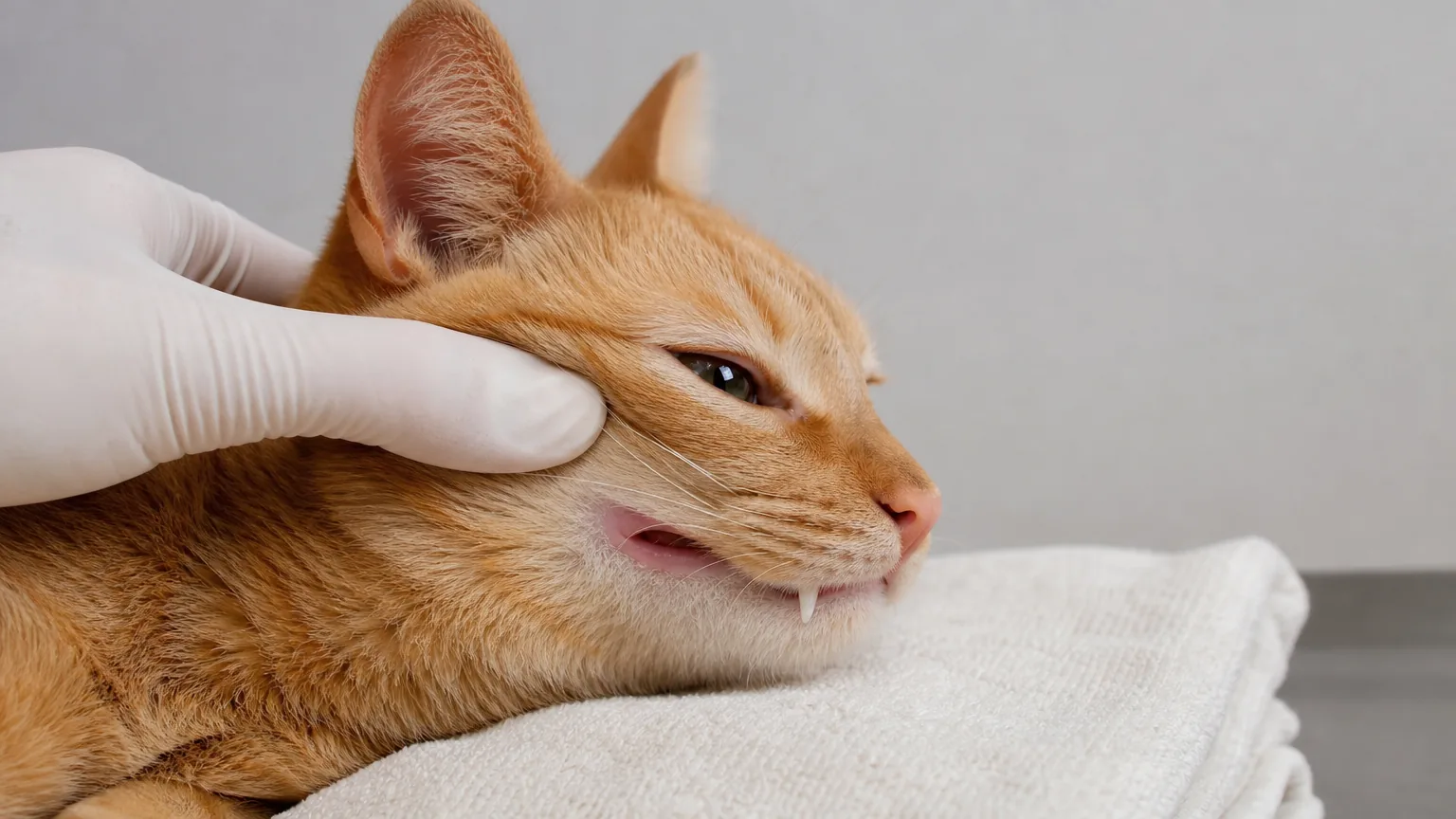
Ask for your cat’s weight and body condition to be recorded too. That gives the cattery a baseline to weigh against.
Know what this check cannot do. Much of the disease that hurts sits below the gum line. Resorption starts on the root surface, and the guidelines call full-mouth dental X-rays essential for finding those early lesions, which means anesthesia. Many cats will not allow a thorough look while awake, and the guidelines suggest sedation for them. A clean awake exam lowers the odds of a painful surprise. It does not rule one out.
Then plan around what the vet finds:
- A healthy mouth. Board as planned and note the vet’s findings on the booking form.
- Mild disease without pain, such as tartar or early gingivitis. Book the dental for after the trip, pack a soft version of your cat’s usual food, and give the cattery the list of signs to watch.
- A painful mouth, such as resorption into the crown, a broken tooth with the nerve exposed, stomatitis or a swelling. Treat it first and allow time to recover, or move the trip. If neither is possible, ask your vet for a written plan covering pain relief, food texture and when the cattery should call.
Whatever the outcome, give the cattery a short written note: what the vet found, which food to offer and in what texture, any medication with doses, the signs to watch for, which practice to call, and your permission and a spending limit for treatment. Pack a blanket that smells of home as well. A cat that feels safer is easier to read.
What Cattery Staff Should Log, and When to Call
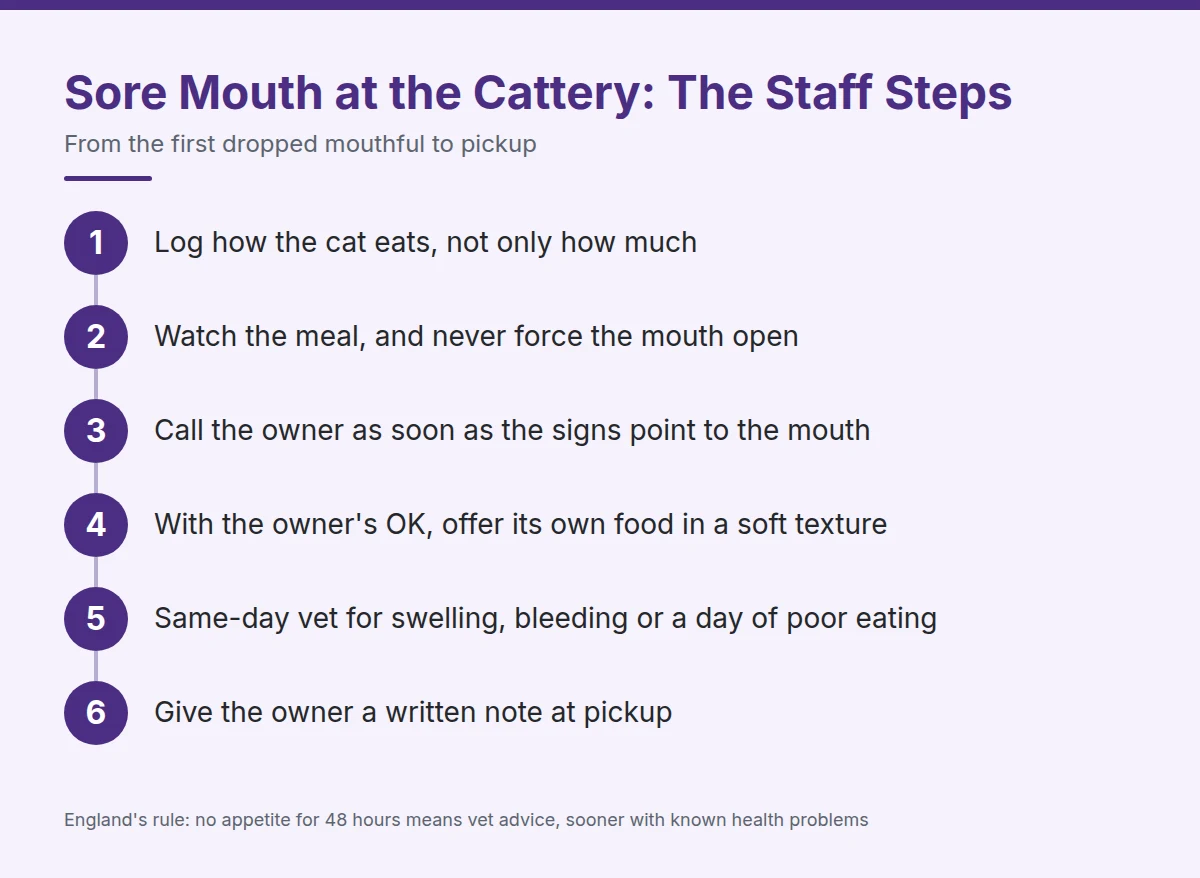
A food log that says only “ate half” cannot tell stress from toothache. How the cat ate can. For each meal, record:
- what was offered (wet or dry, the cat’s own food or the house food) and how much was eaten, by weight if possible
- whether the cat came to the bowl keenly, hesitantly or not at all
- dropped food, chewing on one side, a tilted head, kibble swallowed whole, or wet food eaten and dry left
- pawing at the face, drooling, blood in the saliva, bad breath or a swollen face
- the state of the coat, plus the cat’s weight each day
Do not try to open a frightened boarder’s mouth for a look. The FelineVMA guidelines note that a cat’s fear response hampers an oral exam even for vets, and a bite helps no one. Watching a meal from a distance tells you more.
When the signs point to the mouth, call the owner first. With their agreement, offer a soft version of the cat’s own food in a quiet spot, and keep weighing. Never give a painkiller that a vet has not prescribed for that cat.
Call a vet the same day for:
- a swollen face or jaw
- bleeding from the mouth
- drooling together with pawing at the face
- a cat that clearly wants to eat but cannot
- any cat with mouth signs that has eaten little or nothing for 24 hours
England’s rules set the outer limits: a vet’s advice once a cat has had no appetite for more than 48 hours, sooner for cats with known health problems, and immediate contact with a vet whenever staff suspect a cat is ill, with the instructions recorded and the owner told. Whatever happens, give the owner a written note at pickup saying what was seen and when.
When Your Cat Comes Home “Fussy”
A cat that comes home picking at its biscuits, eating slowly or suddenly wanting only wet food is easy to label fussy, and the usual response is a new food, then another. If the cattery’s log mentions dropped food, one-sided chewing or a bowl of dry food left untouched, book a mouth check first. Cats Protection notes that cats often seem much livelier and more content after dental treatment, which tells you how much some of them had been putting up with.
One other cause is worth ruling out. Calicivirus, a highly contagious cause of cat flu, can spread within the close confines of a cattery. According to the European Advisory Board on Cat Diseases, most infected cats get painful mouth ulcers, typically on the tongue, with mild cold signs such as sneezing and a runny nose, and some drool or refuse food because of the ulcers. The ulcers usually heal over two to three weeks. A sore mouth that appears during or soon after a stay, together with cold signs, points to an infection rather than long-standing dental disease, and it still needs a vet. Our guide to preventing cat colds at boarding covers what a facility should be doing about it.
If your cat is eating normally within a day or two of getting home, with no dropped food, no side chewing and no new texture preferences, stress was the likelier story. Mention it at the next annual check anyway, since that is when your vet looks in the mouth.
The Bottom Line
The cattery does not give a cat toothache. It reveals one. Three things turn that hidden sore mouth into a finding with a plan, rather than a worried phone call halfway through your trip: a vet’s look in the mouth a few weeks before a long stay, your cat’s own food with a soft option packed, and a cattery log that records how the cat eats, not only how much.
Further reading (sources)
- Lobprise and colleagues on the 2025 FelineVMA guidelines for feline oral health and dental care
- O’Neill and colleagues with how often periodontal disease is diagnosed in UK cats, and in which breeds
- Williams and colleagues for gingivitis rates in Bristol Cats study cats up to six years old
- Healey and colleagues on how common chronic gingivostomatitis is in first-opinion practice
- Watanabe and colleagues with a trial measuring pain and dry versus soft food intake in cats with oral disease
- Rusbridge and colleagues on 113 cases of feline orofacial pain syndrome and the stresses that set it off
- Kessler and Turner for how stress in boarding cats changes over a two-week stay
- Taylor, Chan and colleagues on the ISFM guidelines for hospitalized cats that stop eating
- Cornell Feline Health Center on how tooth resorption changes the way a cat eats
- Cornell Feline Health Center for the signs of gingivostomatitis, from drooling to pawing at the mouth
- International Cat Care with an owner’s guide to gum disease, resorptive lesions and stomatitis
- Cats Protection on why dental problems go unnoticed at home, and what an annual check finds
- European Advisory Board on Cat Diseases for its calicivirus guideline, including mouth ulcers and spread in catteries
- Defra with England’s cattery rules on feeding, appetite, daily checks and calling the vet